


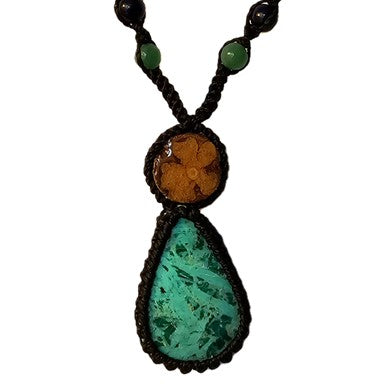
Customer Favorites
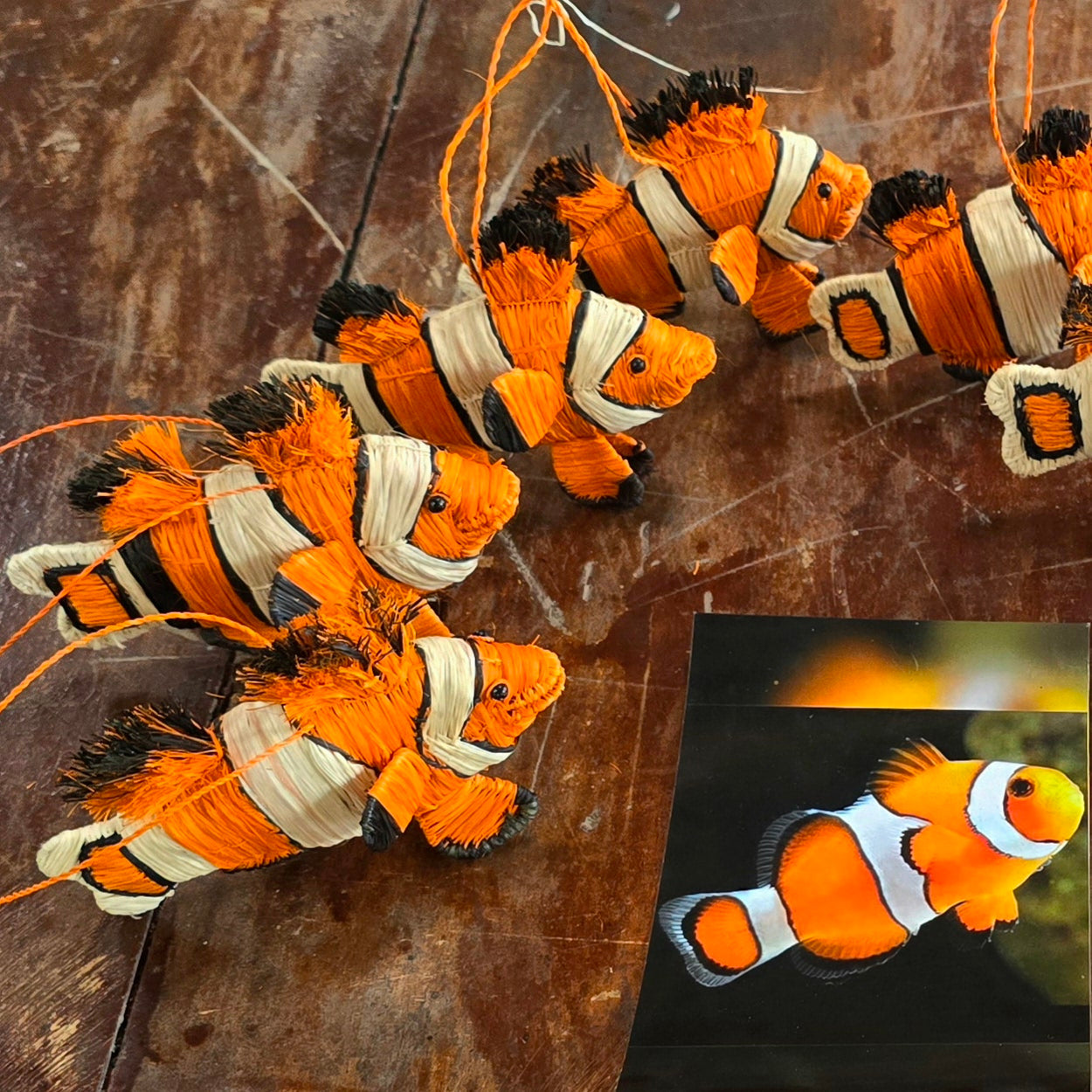
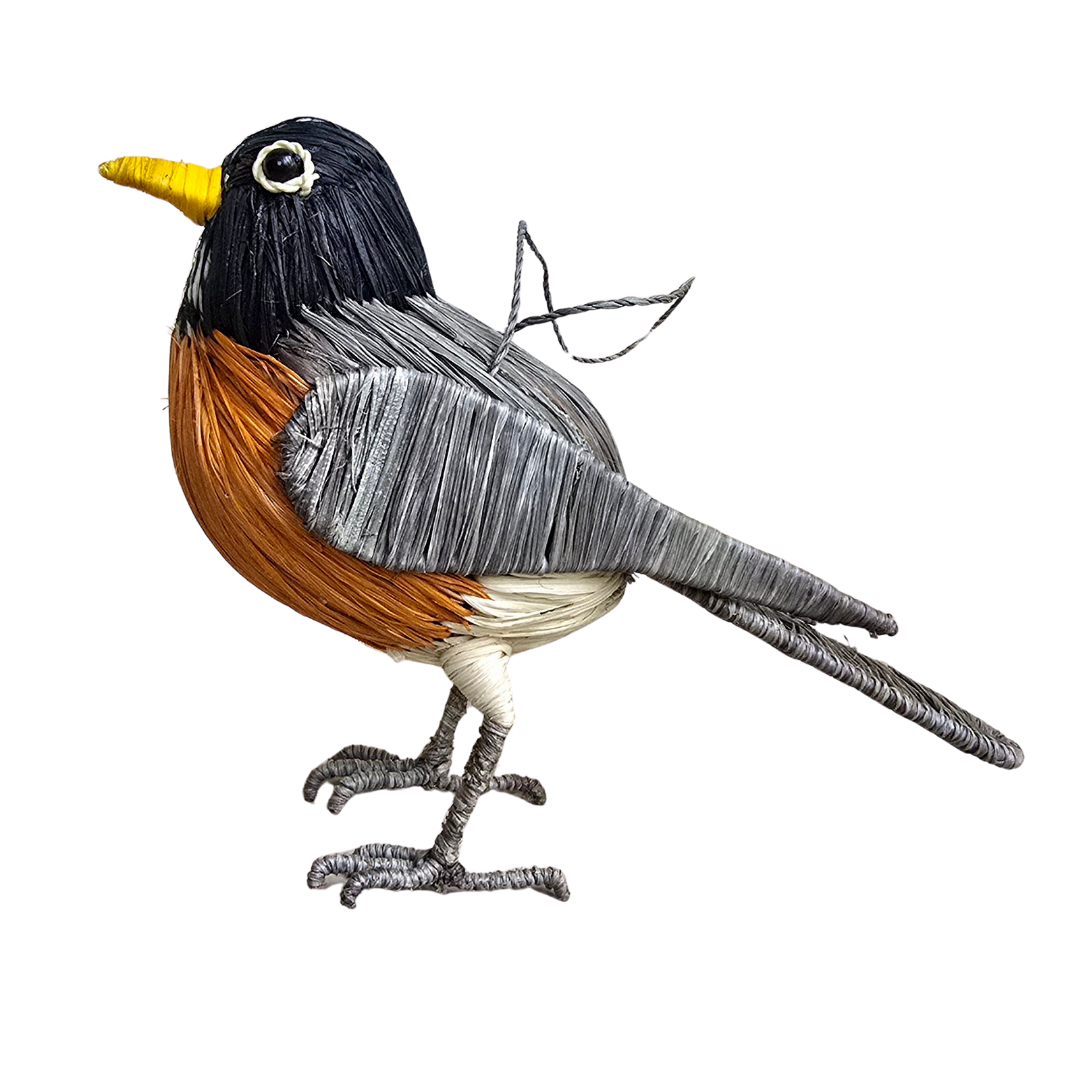
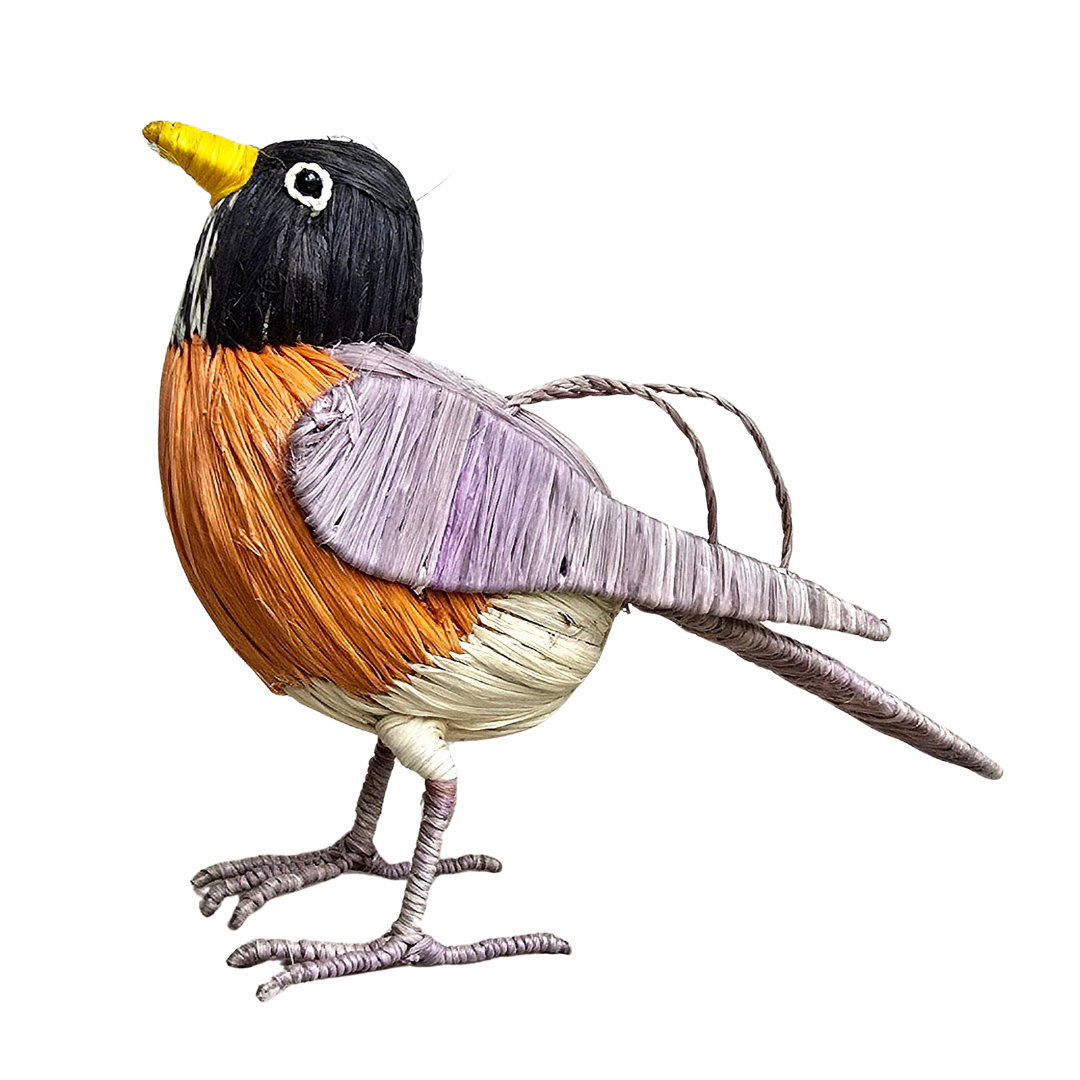
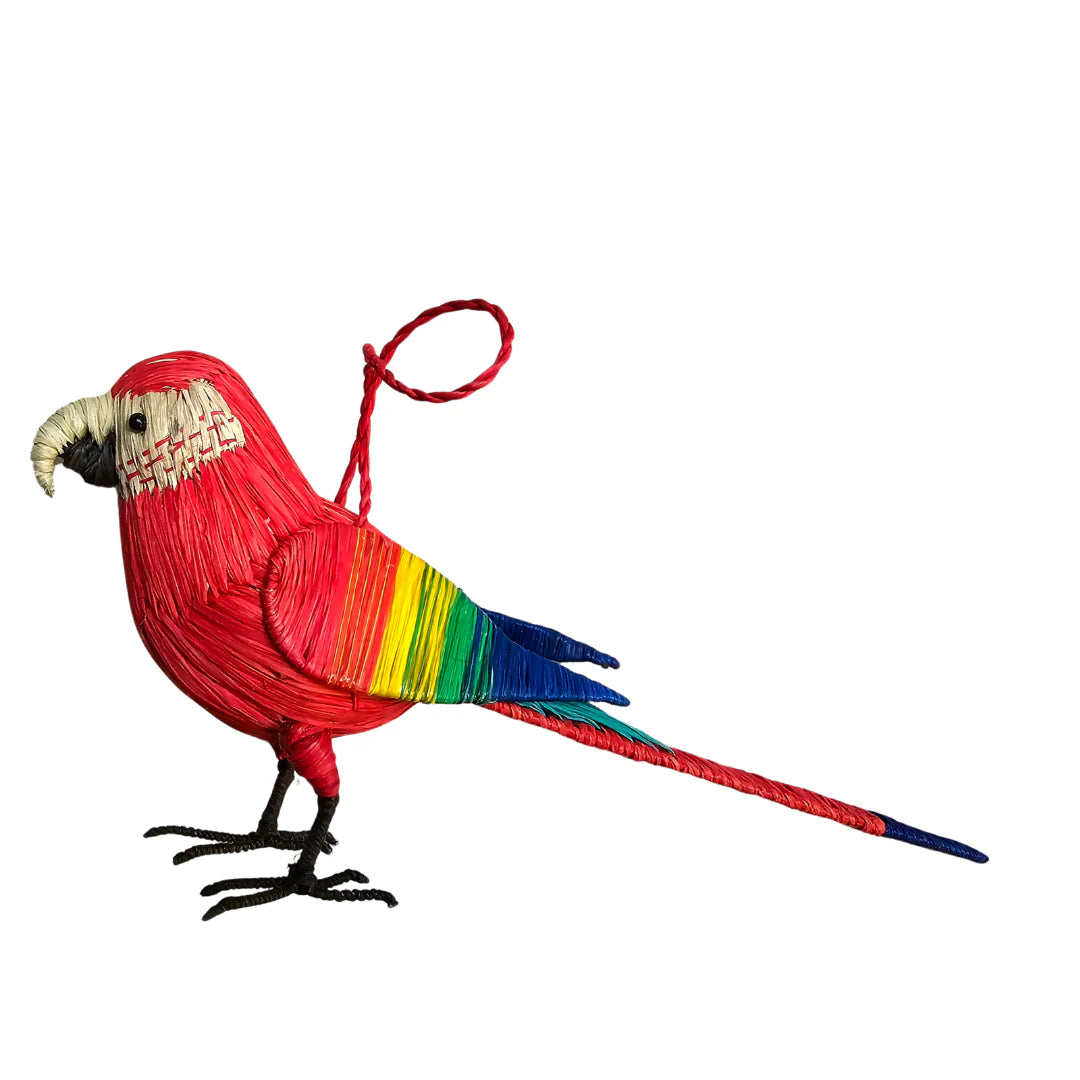
Hang one from a Christmas tree, a rear-view mirror, a window, or a doorknob, anywhere you'd like to keep a little piece of the Amazon close."
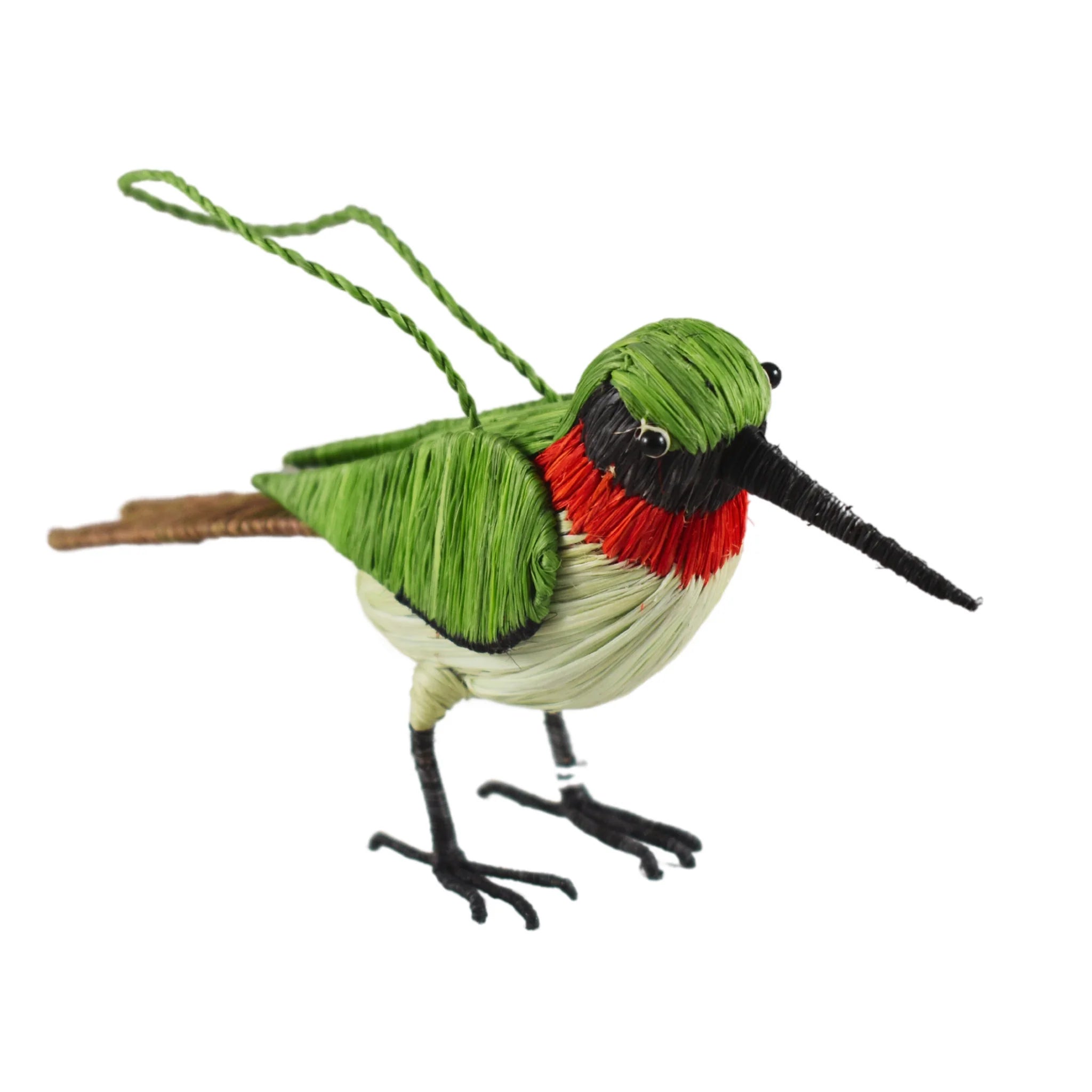
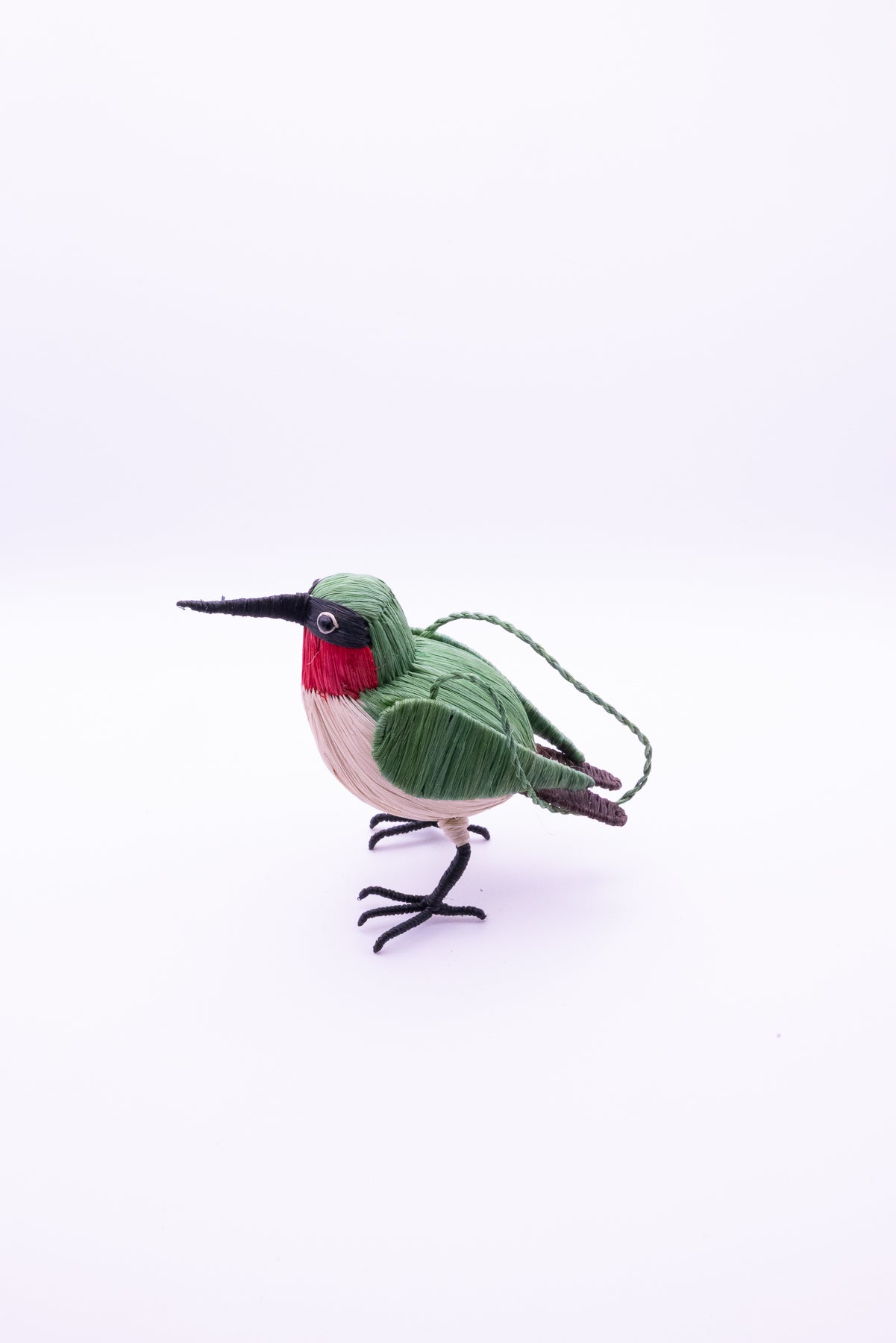
RUBY-THROATED HUMMINGBIRD - FAIR TRADE ORNAMENT- WOVEN BY PERUVIAN AMAZON ARTISAN
Choose your option
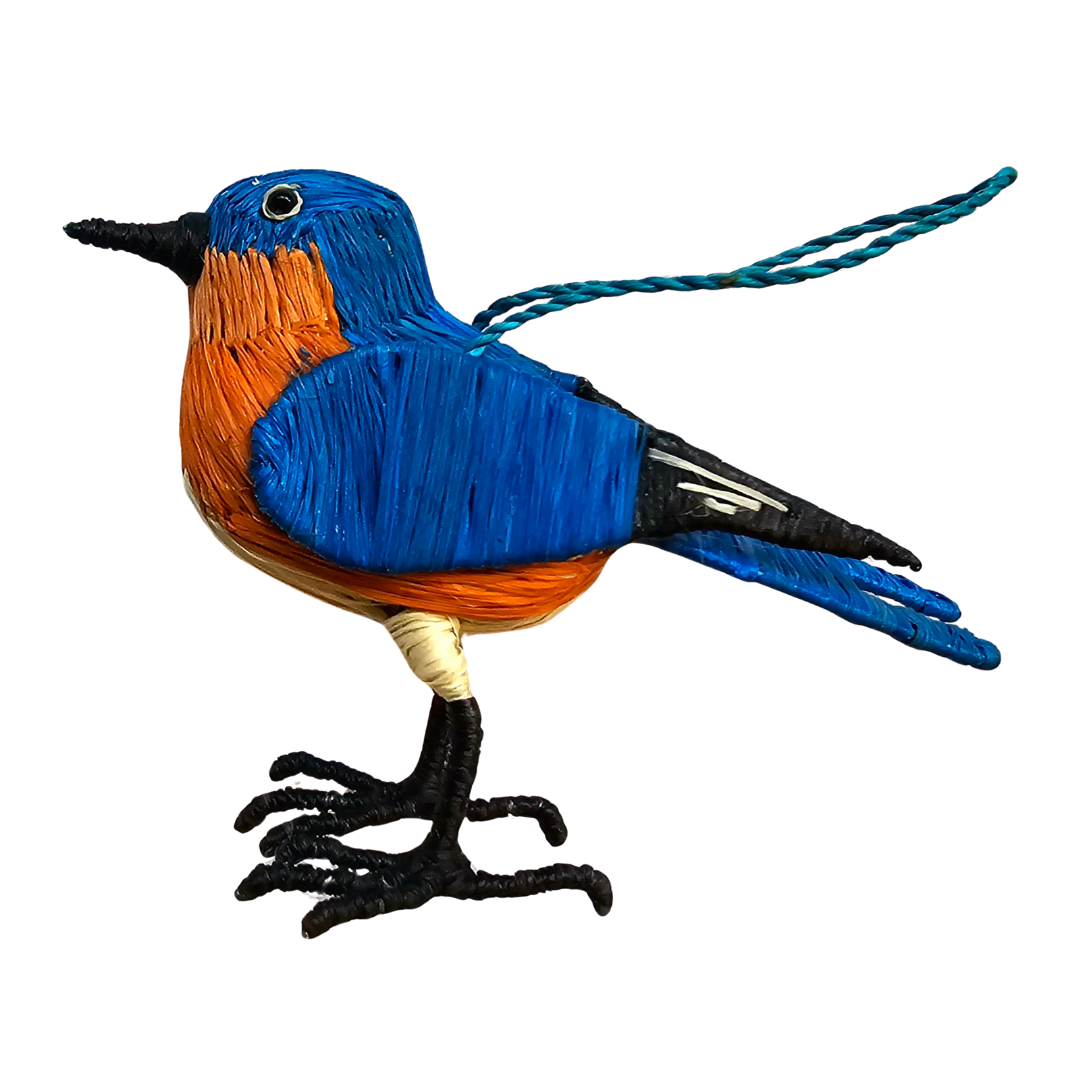
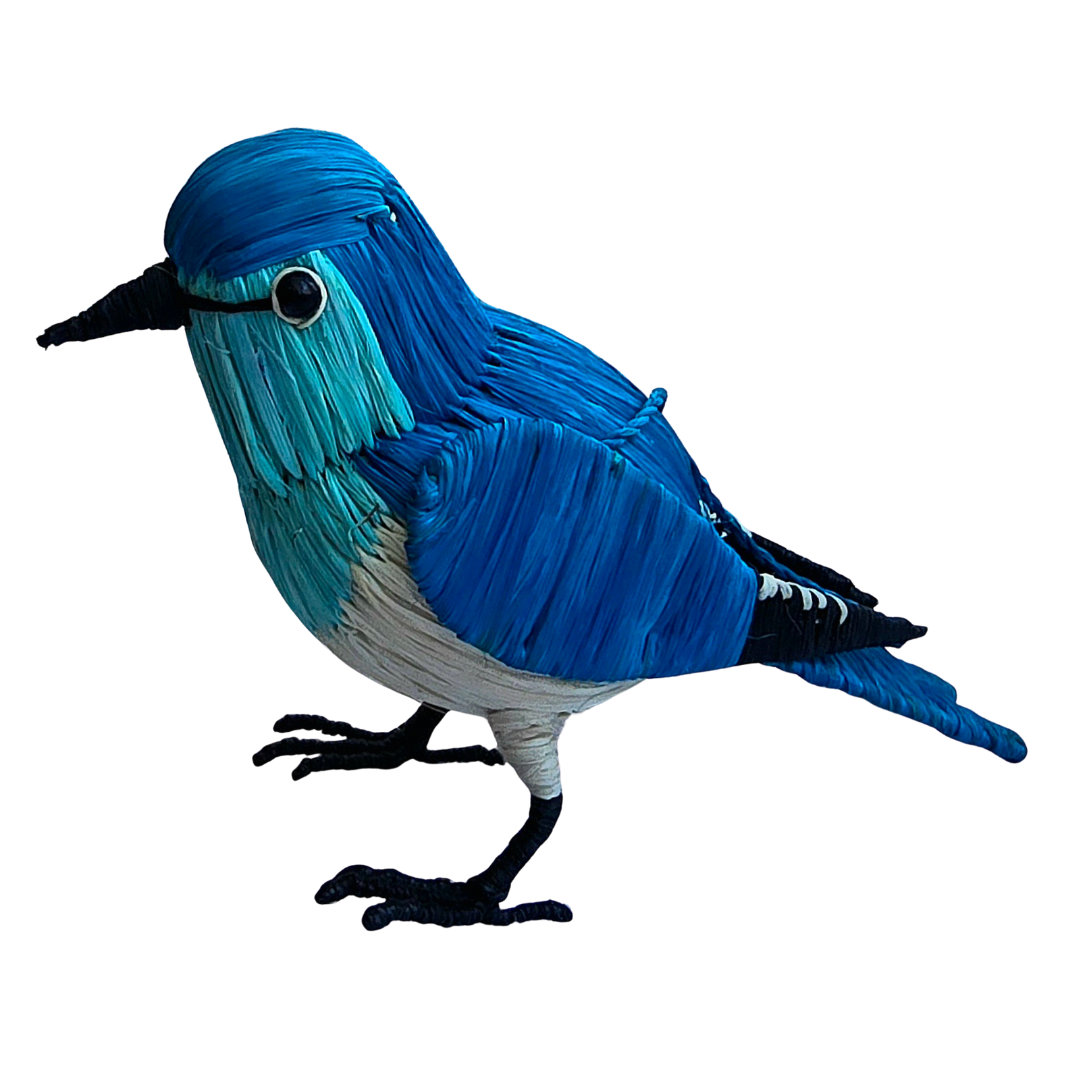
BLUEBIRD BIRD - FAIR TRADE CHRISTMAS TREE ORNAMENT - WOVEN BY PERUVIAN AMAZON ARTISAN
Choose your option
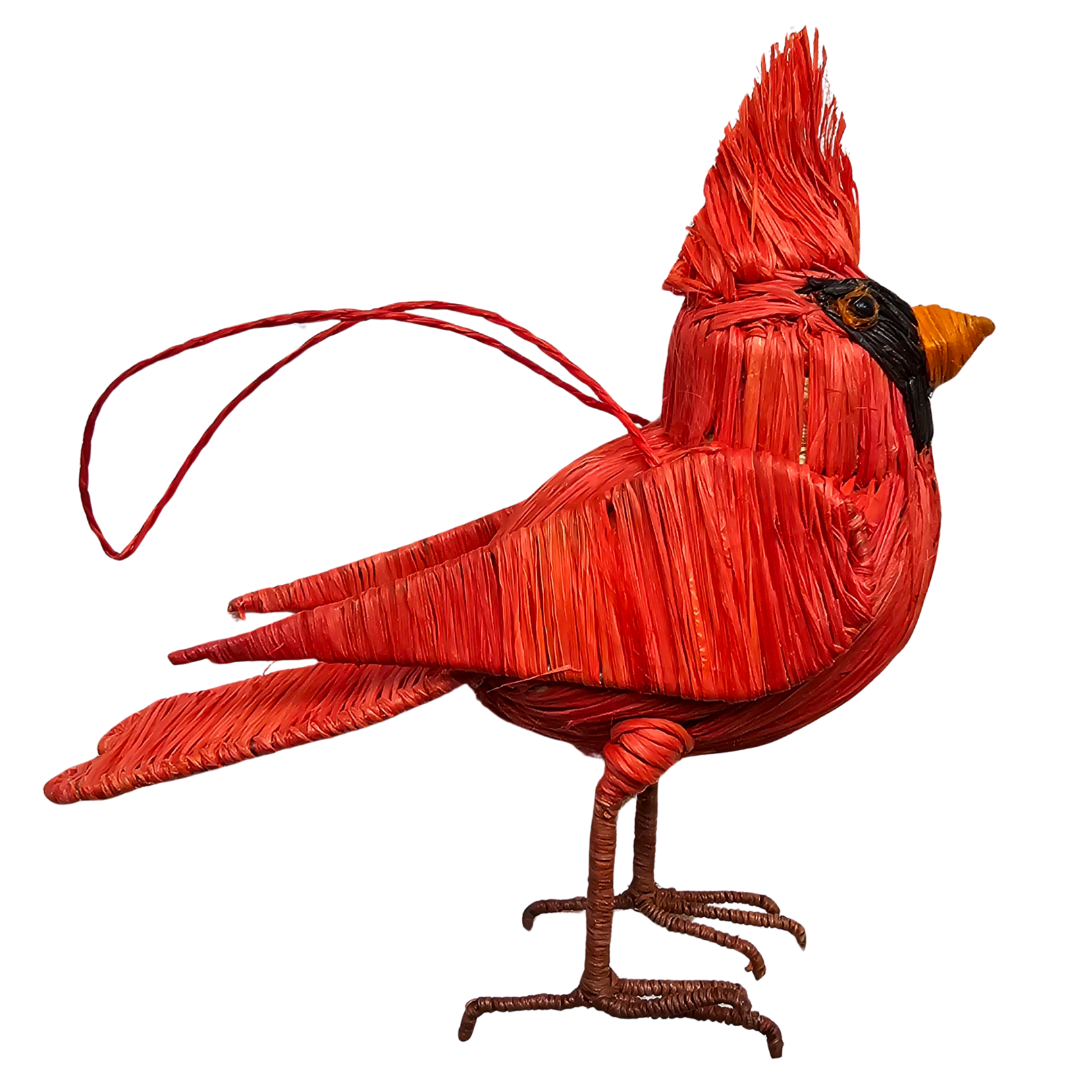
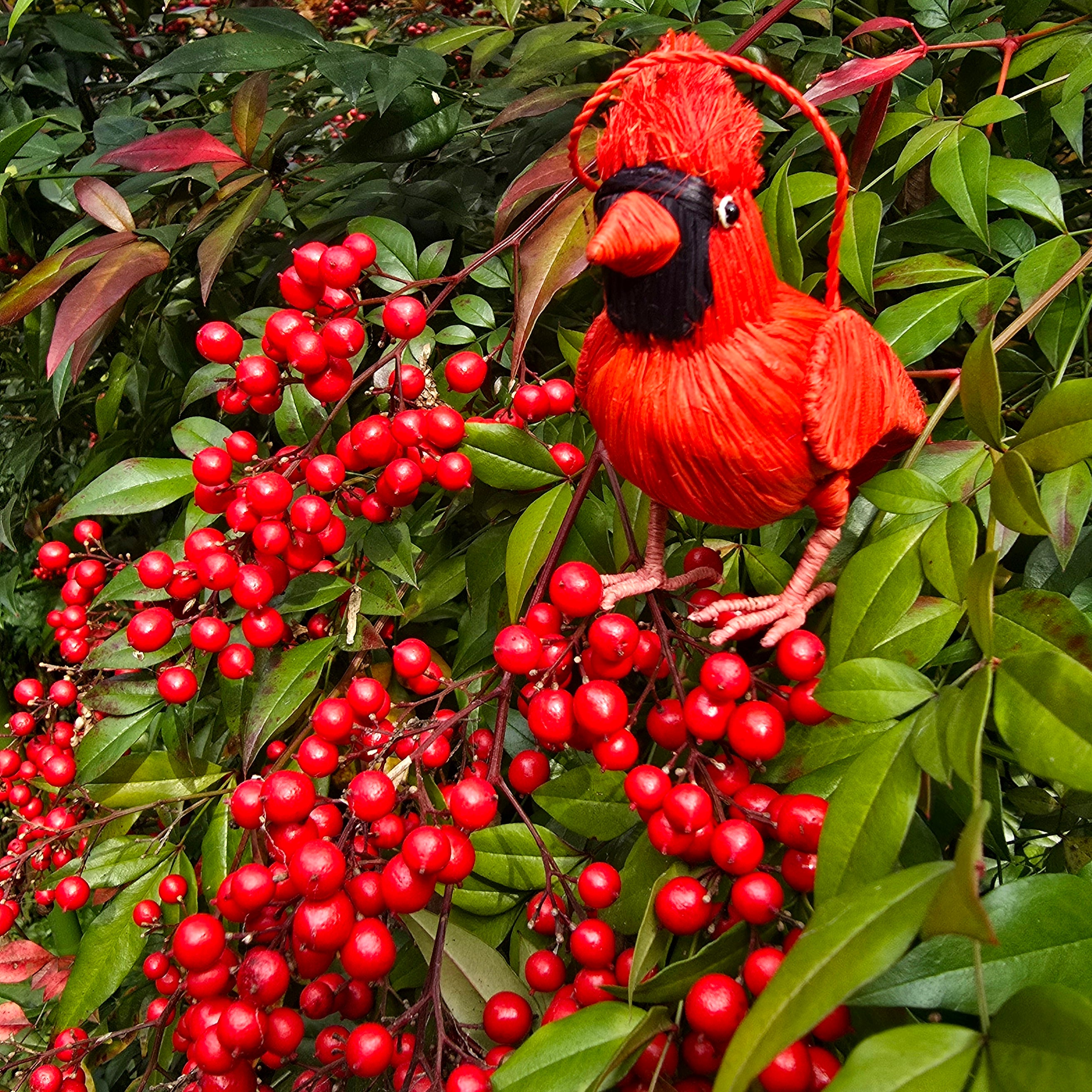
CARDINAL BIRD - FAIR TRADE CHRISTMAS TREE ORNAMENT - WOVEN BY PERUVIAN AMAZON ARTISAN
Choose your option
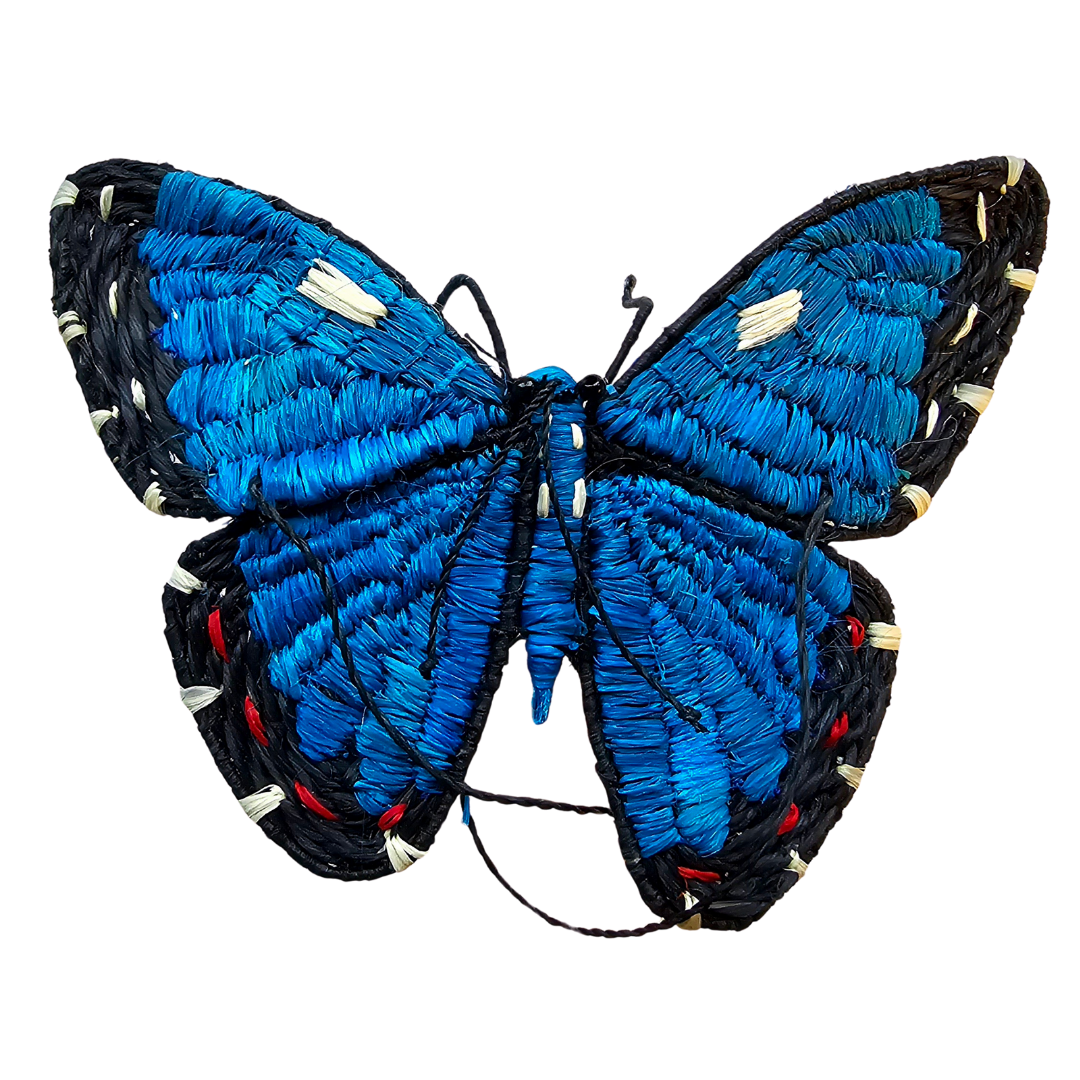
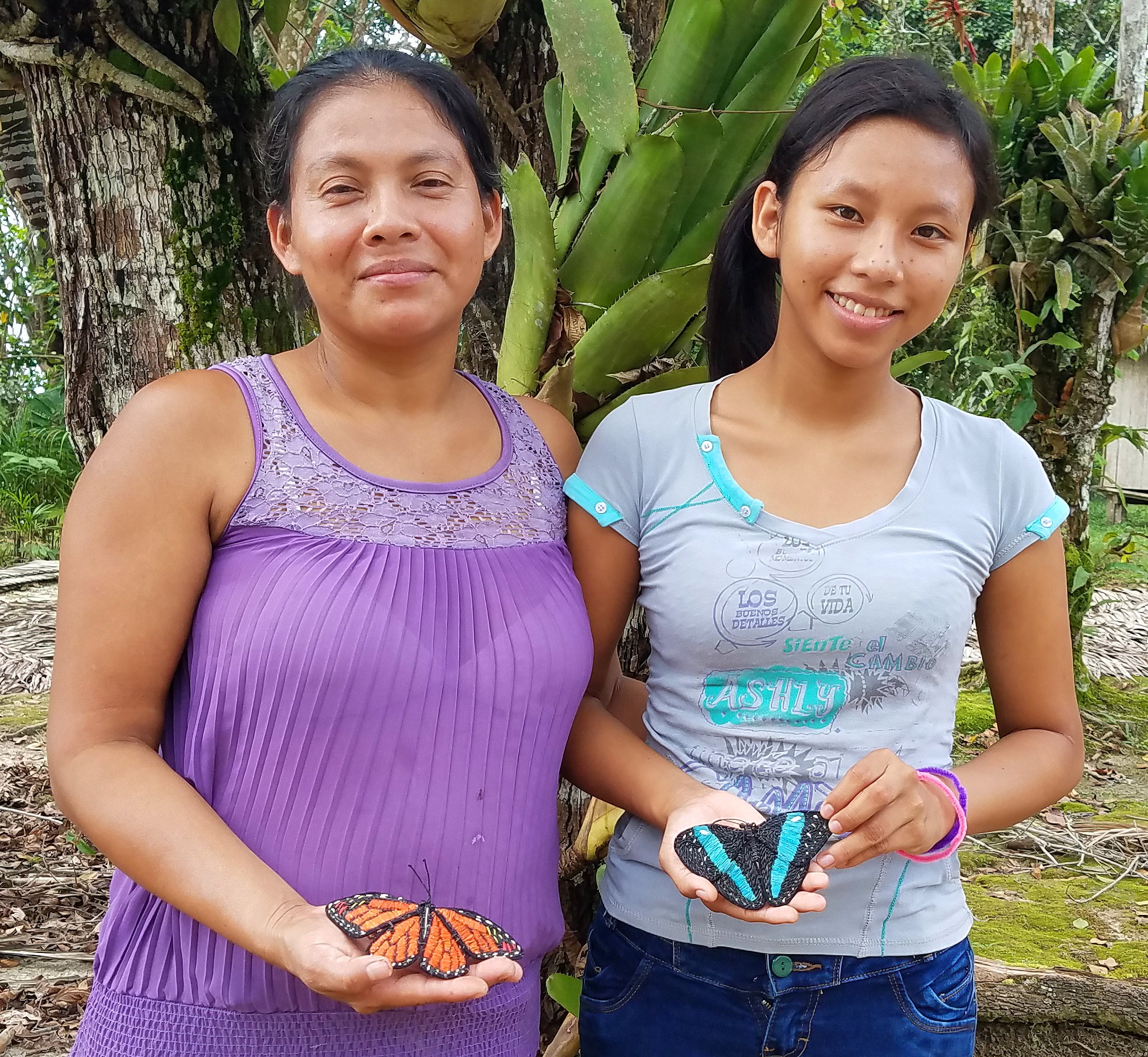
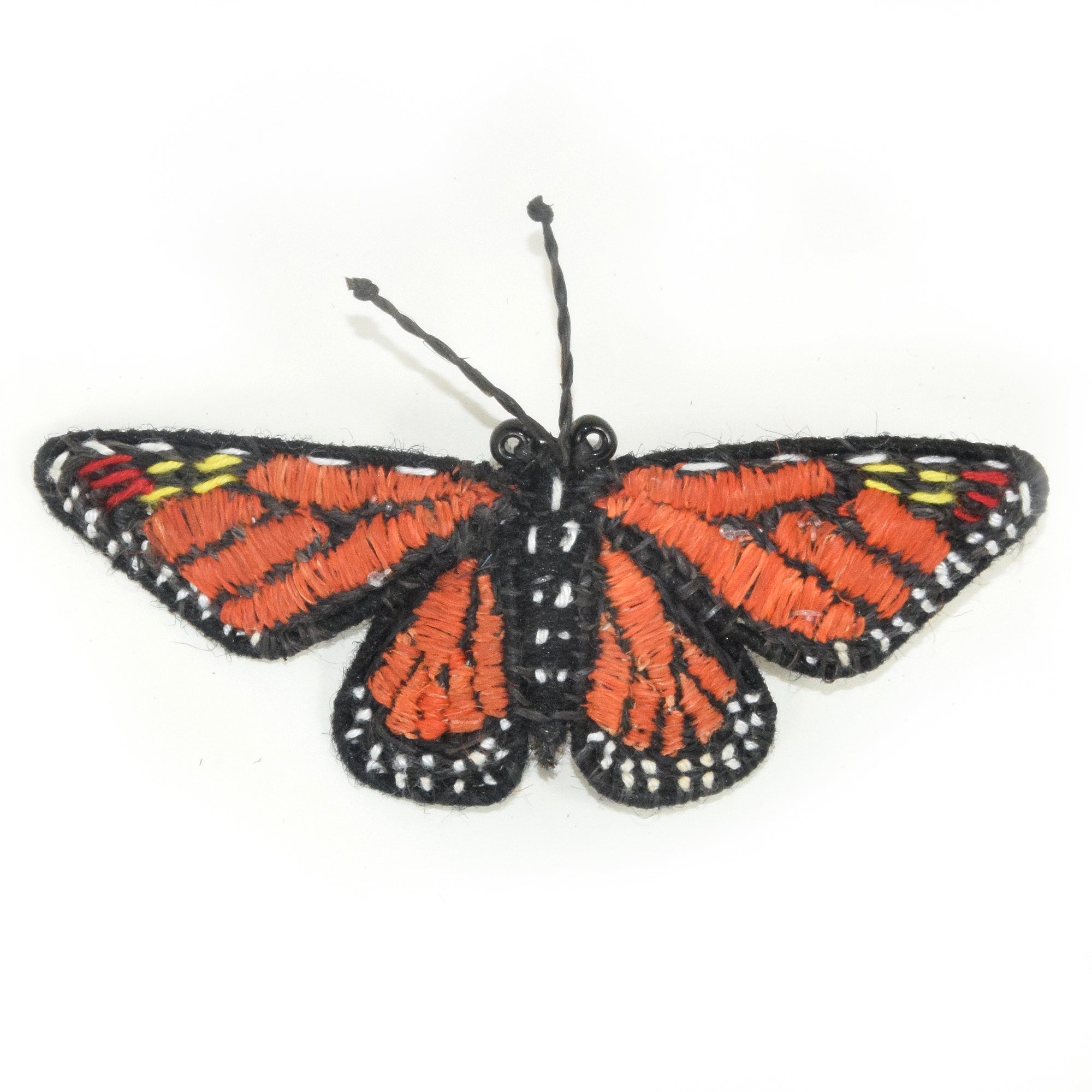
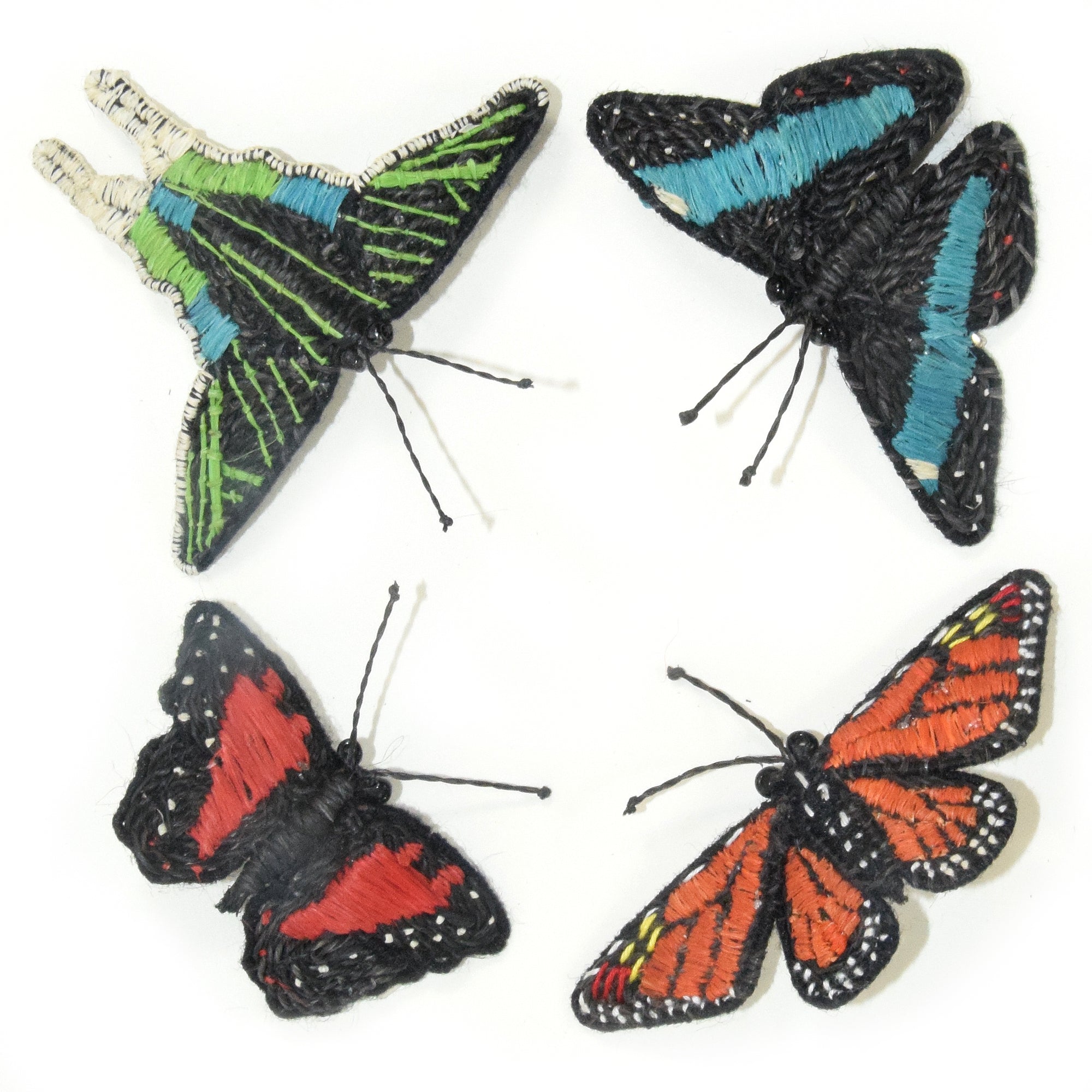
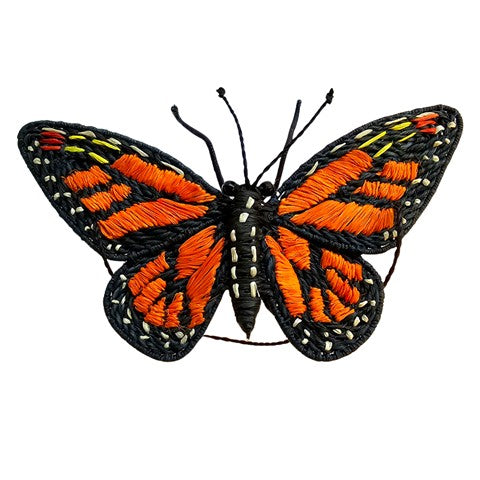
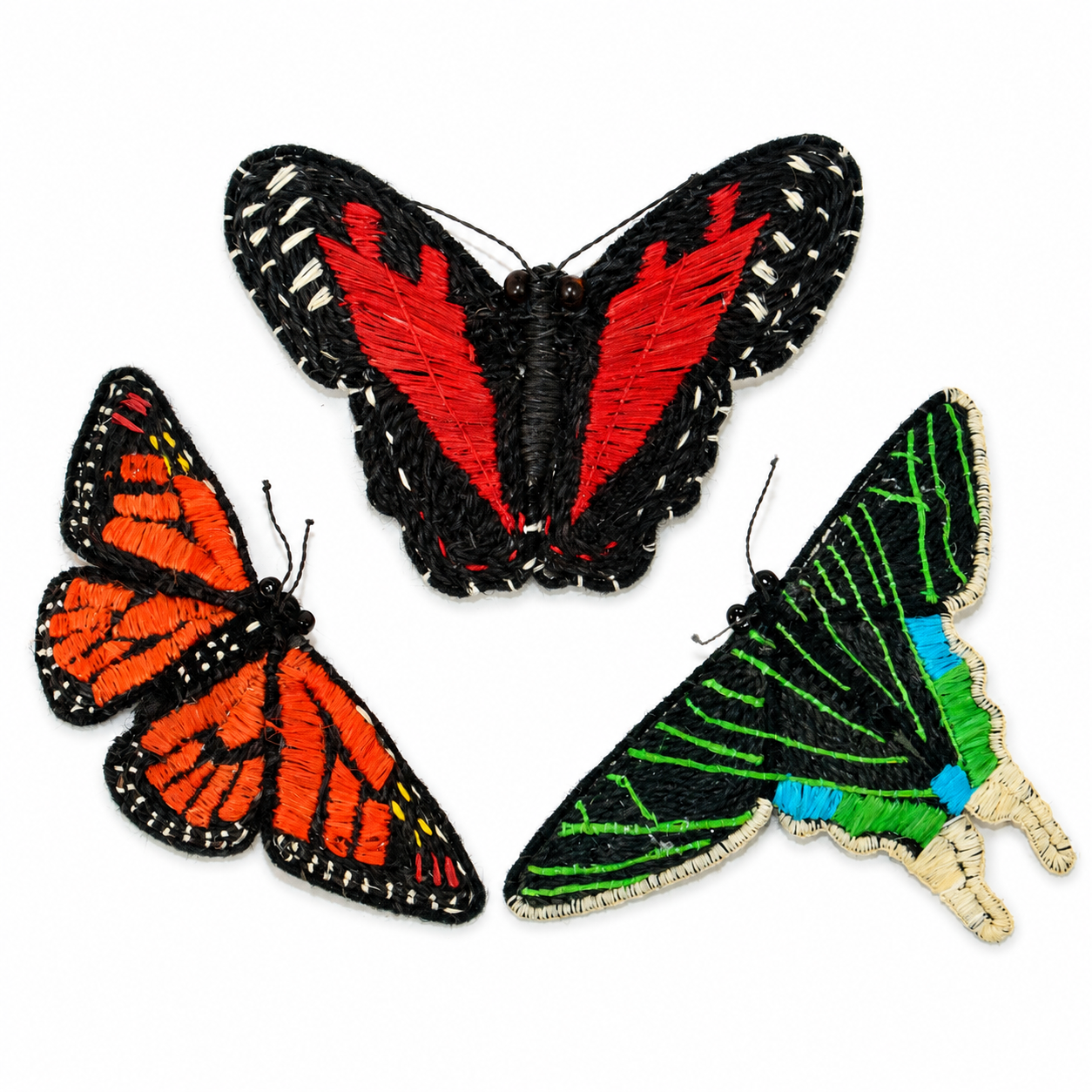
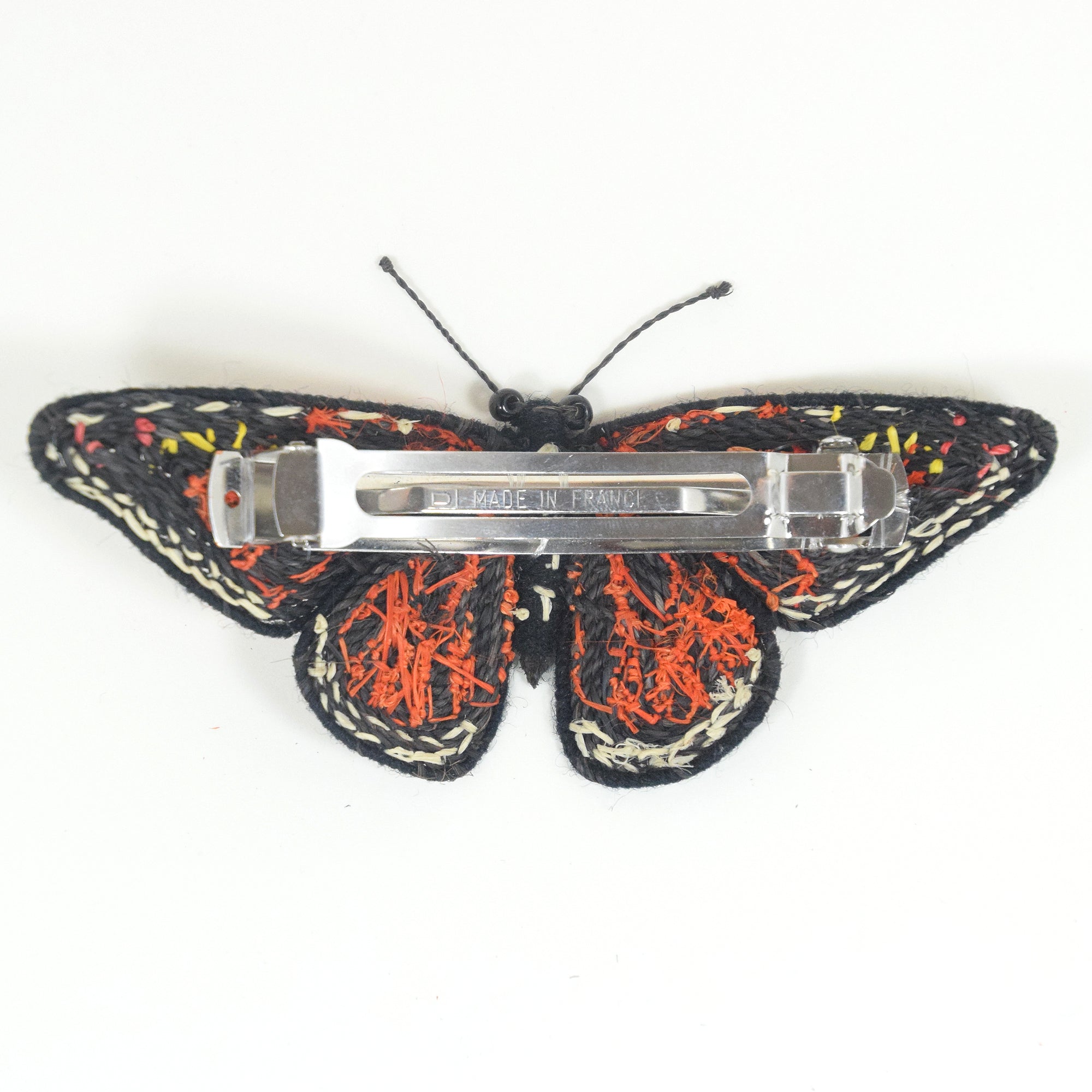
MORPHO BUTTERFLY WOVEN INSECT ORNAMENT - HAND-MADE BY ARTISAN FROM THE PERUVIAN AMAZON
Choose your option
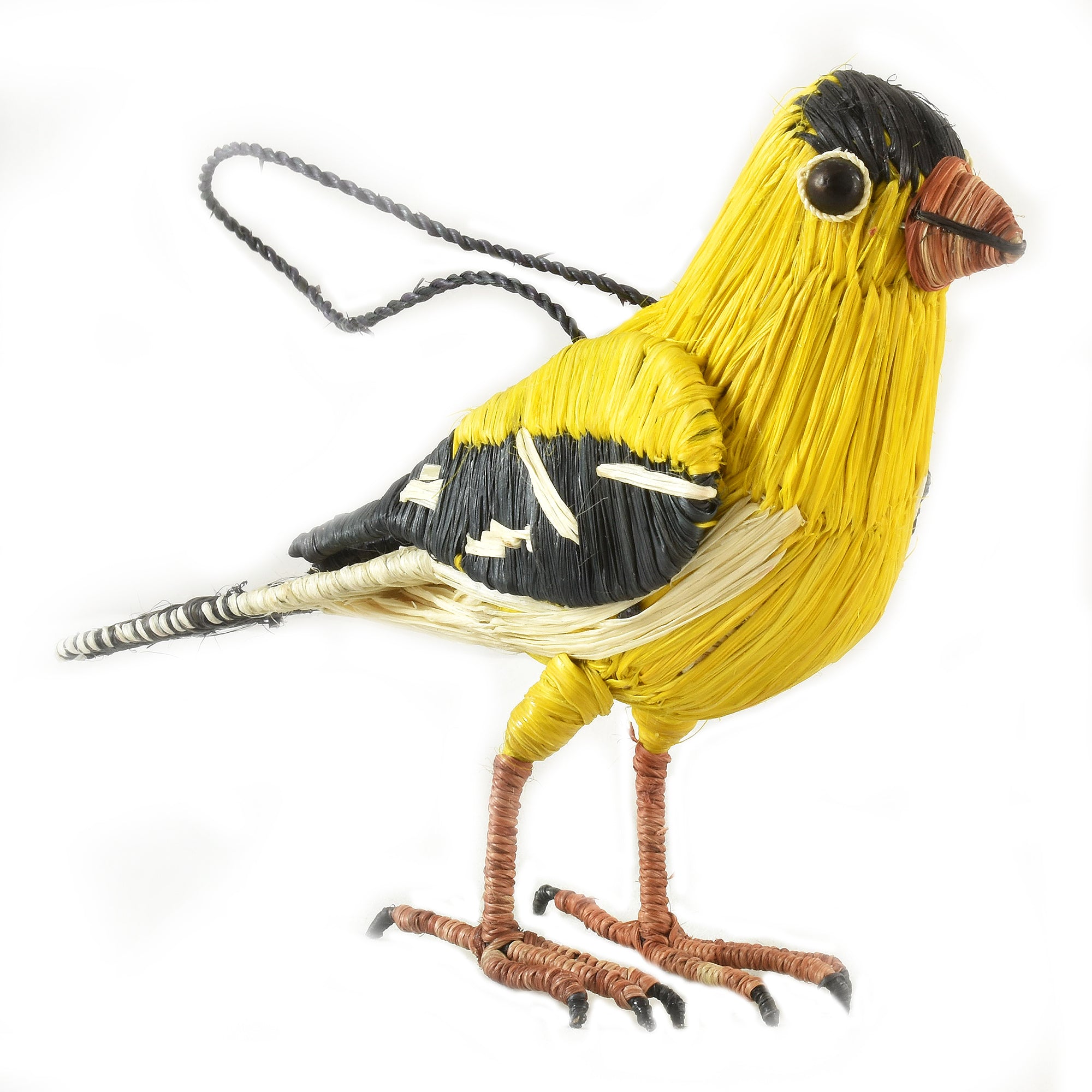
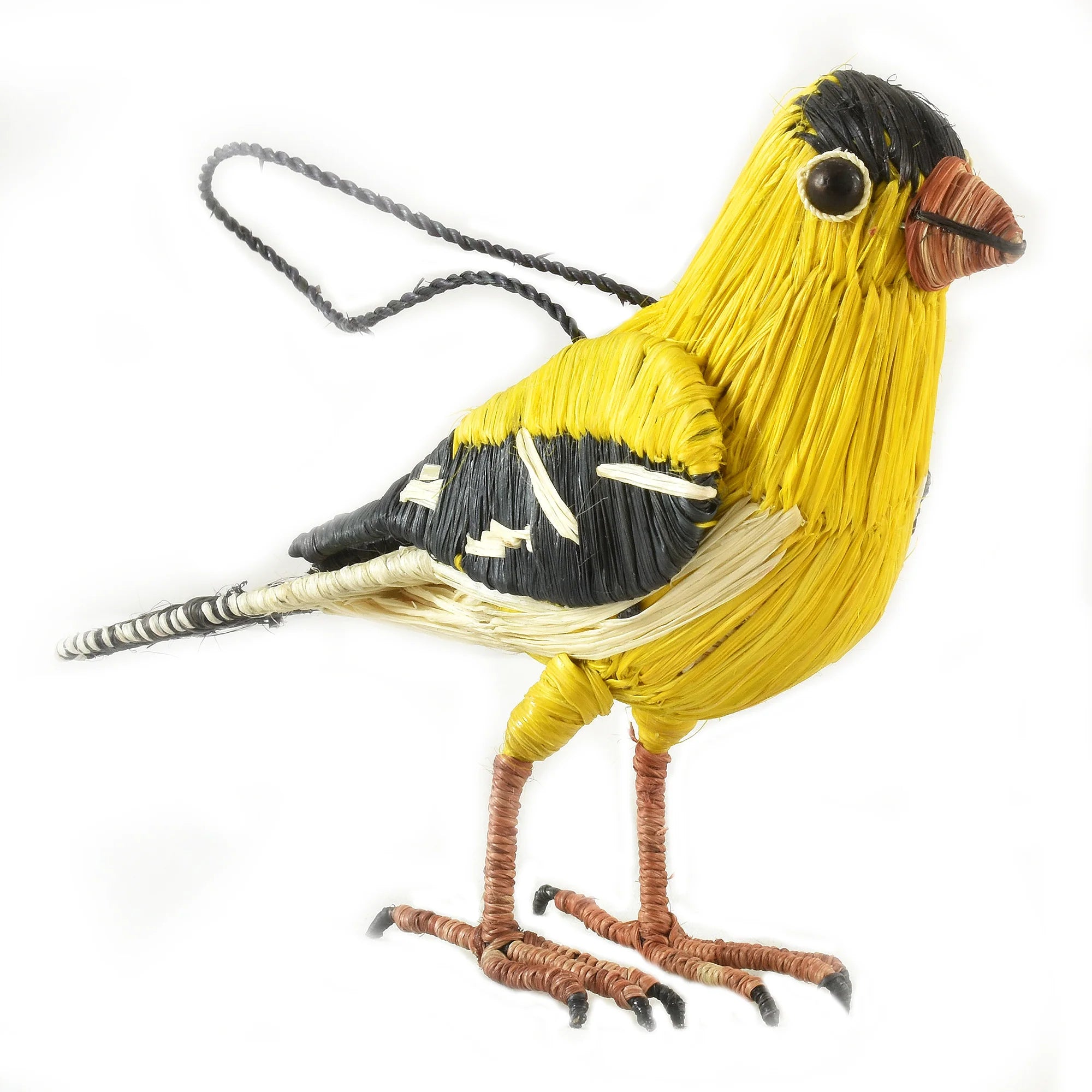
GOLDFINCH BIRD - FAIR TRADE CHRISTMAS TREE ORNAMENT - WOVEN BY PERUVIAN AMAZON ARTISAN
Choose your option
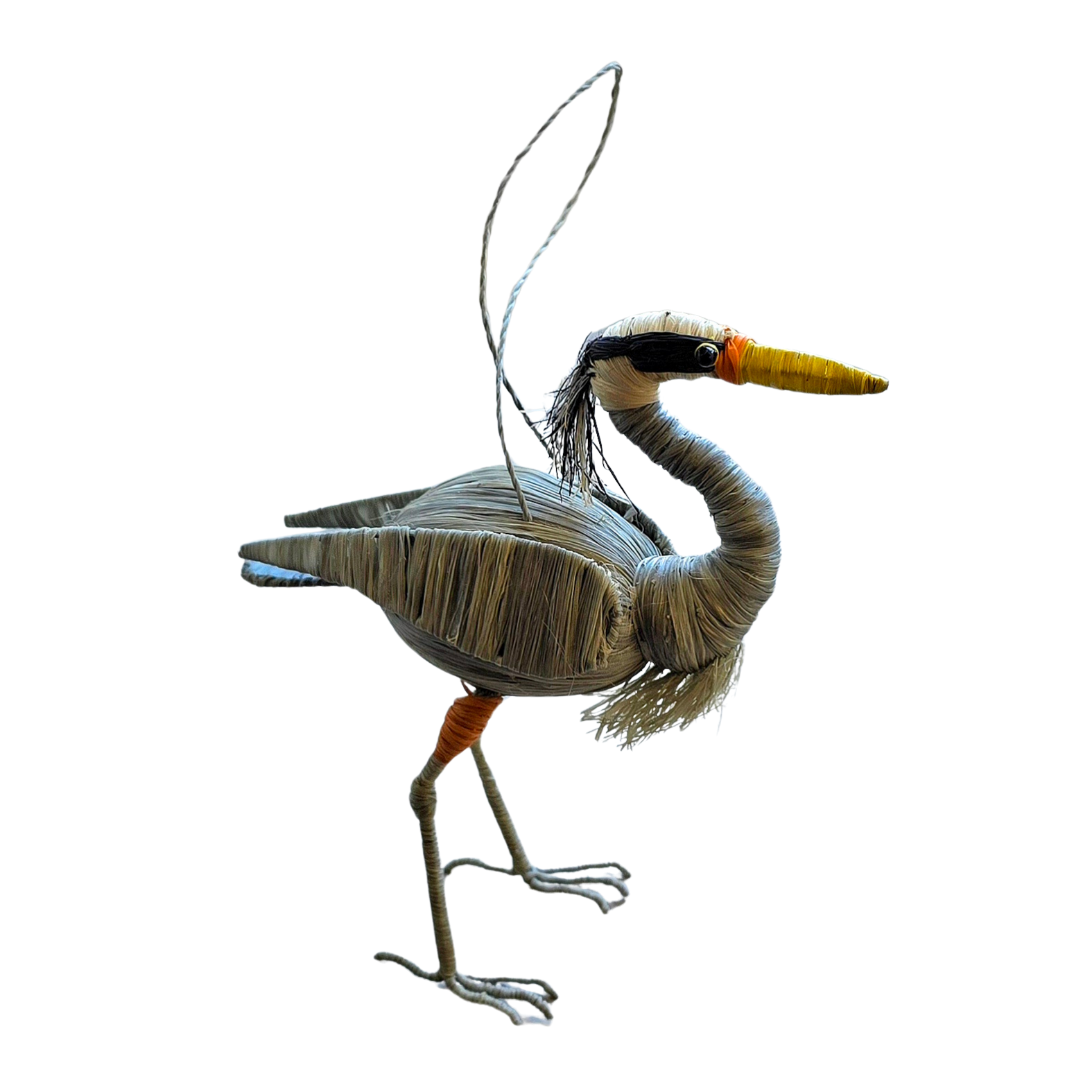
GREAT BLUE HERON BIRD FAIR-TRADE CHRISTMAS TREE ORNAMENTS - WOVEN BY PERUVIAN AMAZON ARTISAN
Choose your option
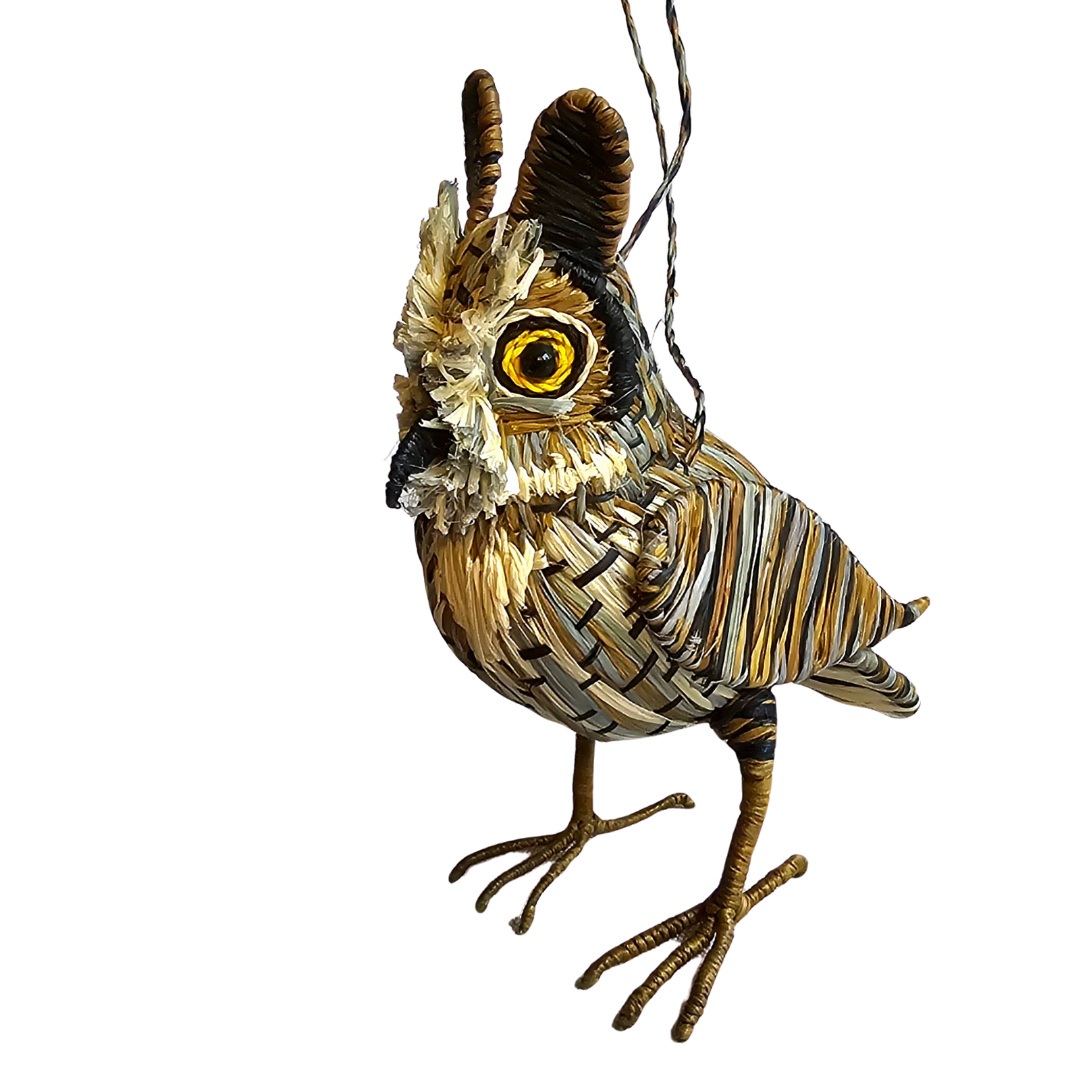
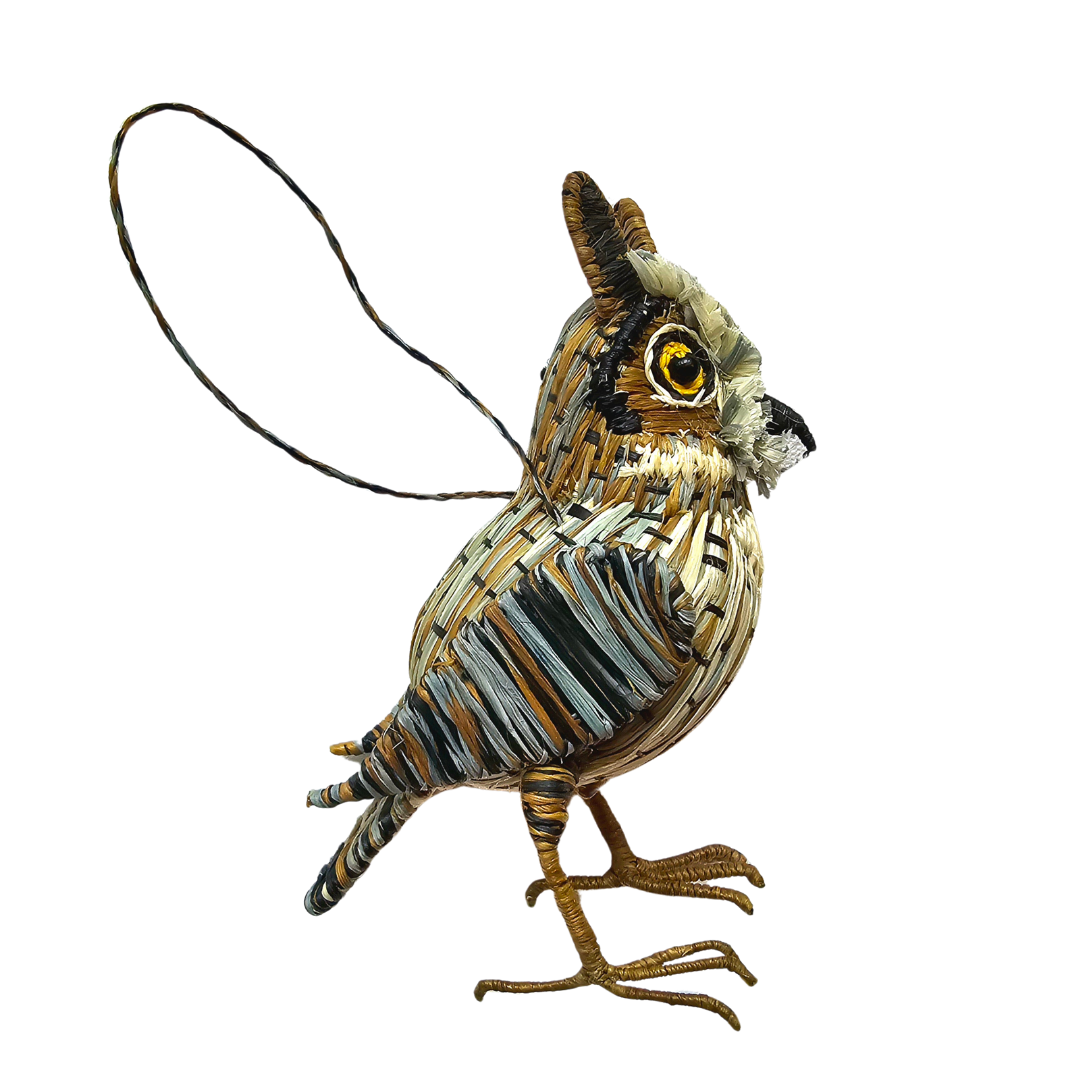
GREAT HORNED OWL BIRD FAIR -TRADE ORNAMENT AND DECORATION- WOVEN BY PERUVIAN AMAZON ARTISAN
Choose your option
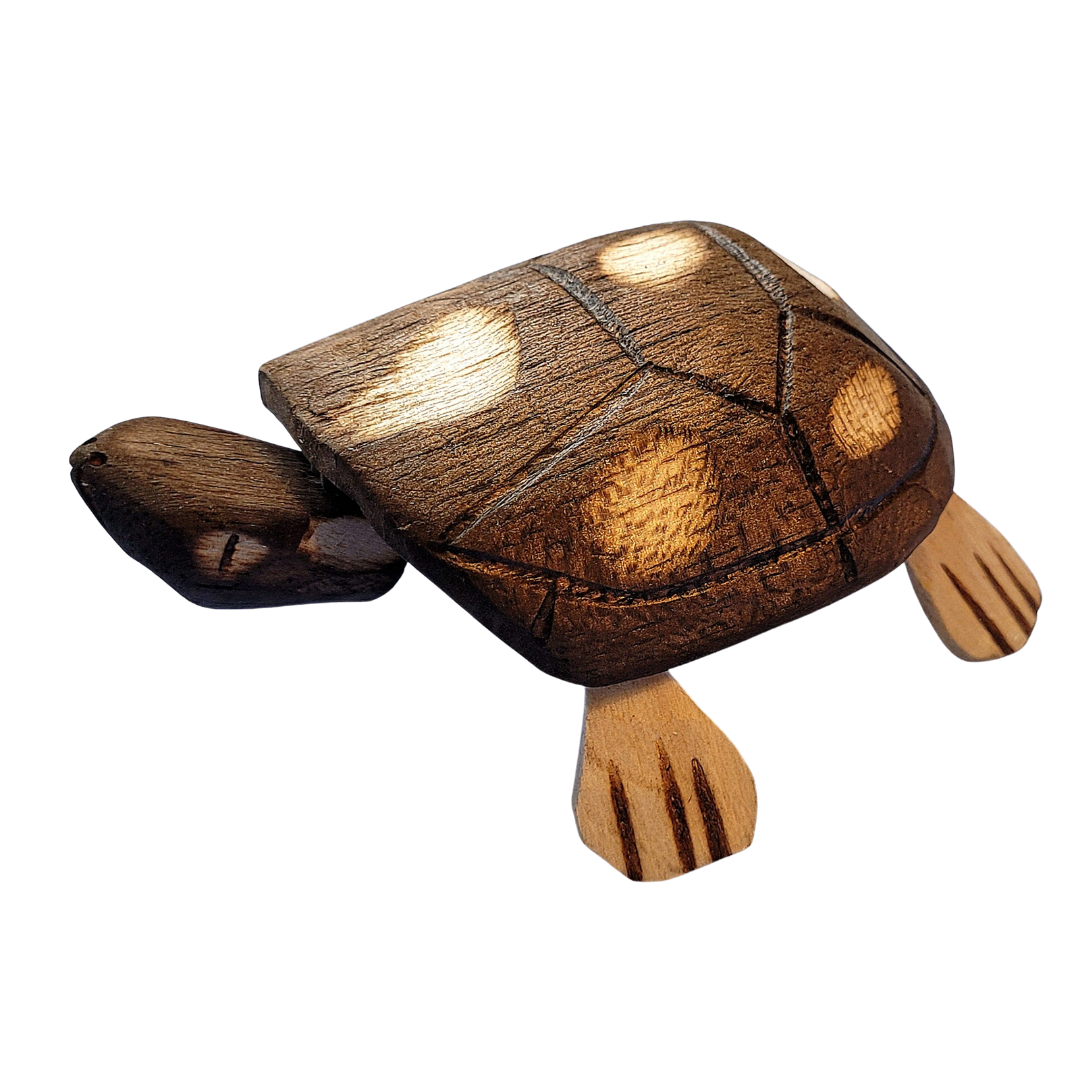
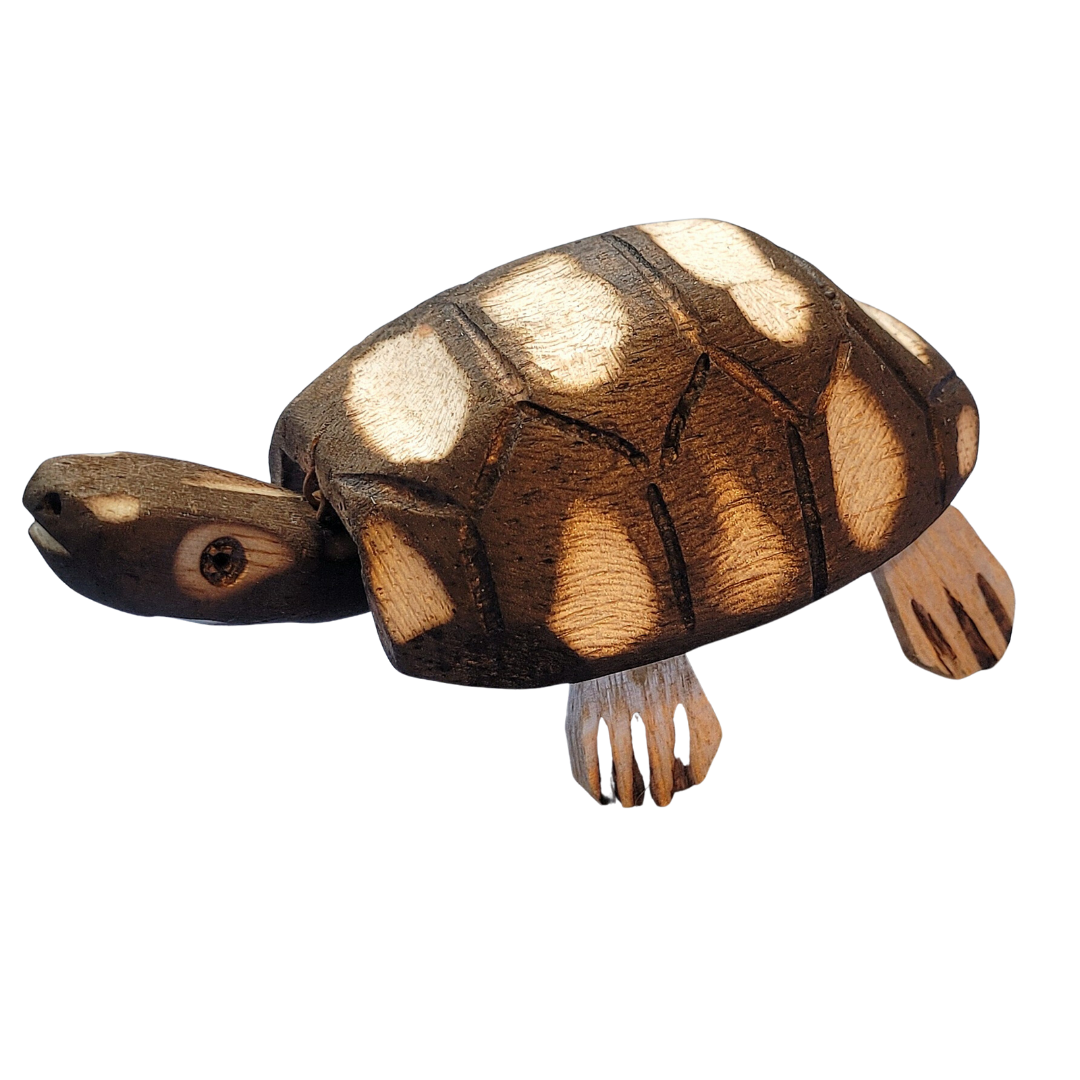
BOBBLE HEAD TURTLE BALSA WOOD DECORATION - CARVED BY PERUVIAN AMAZON ARTISAN
Choose your option
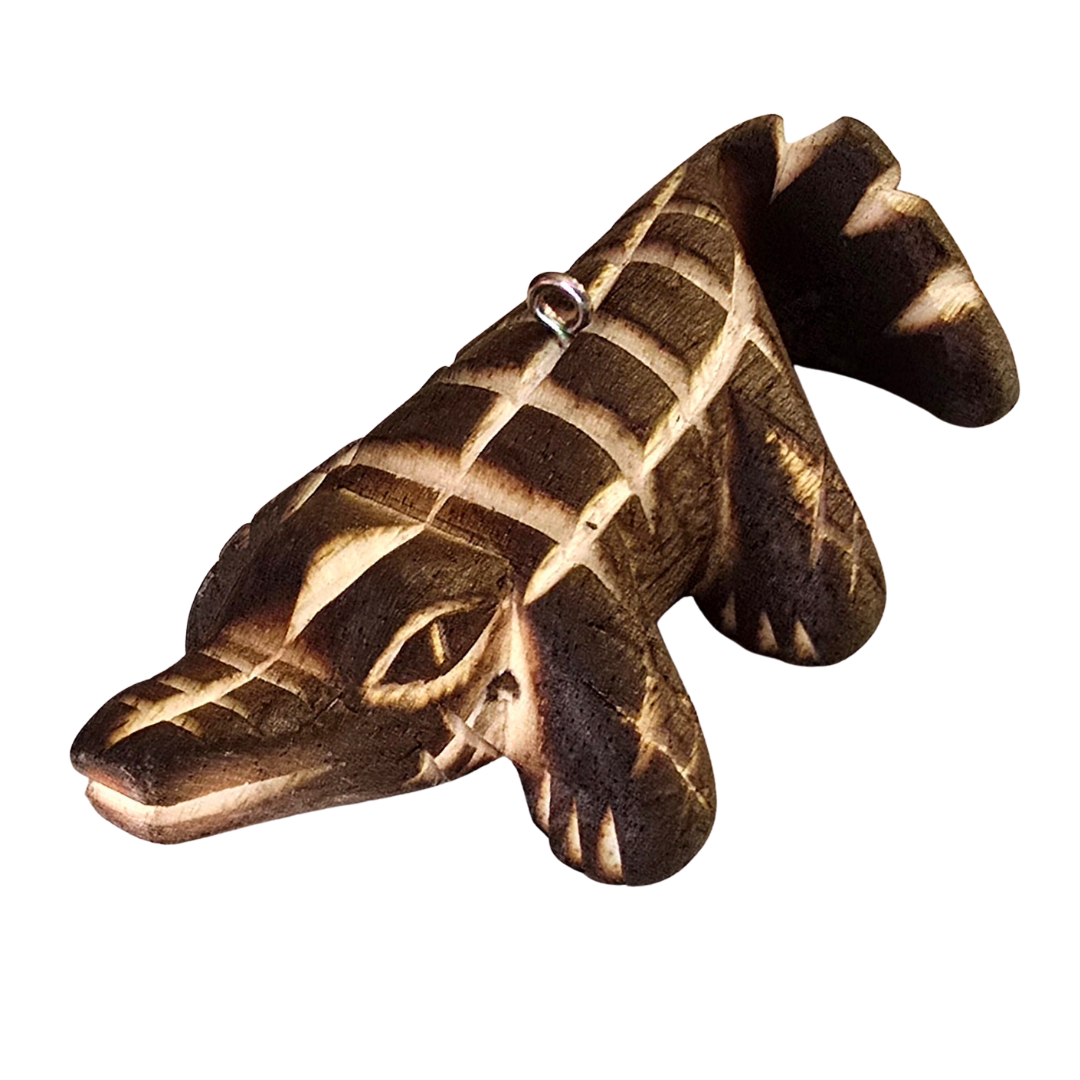
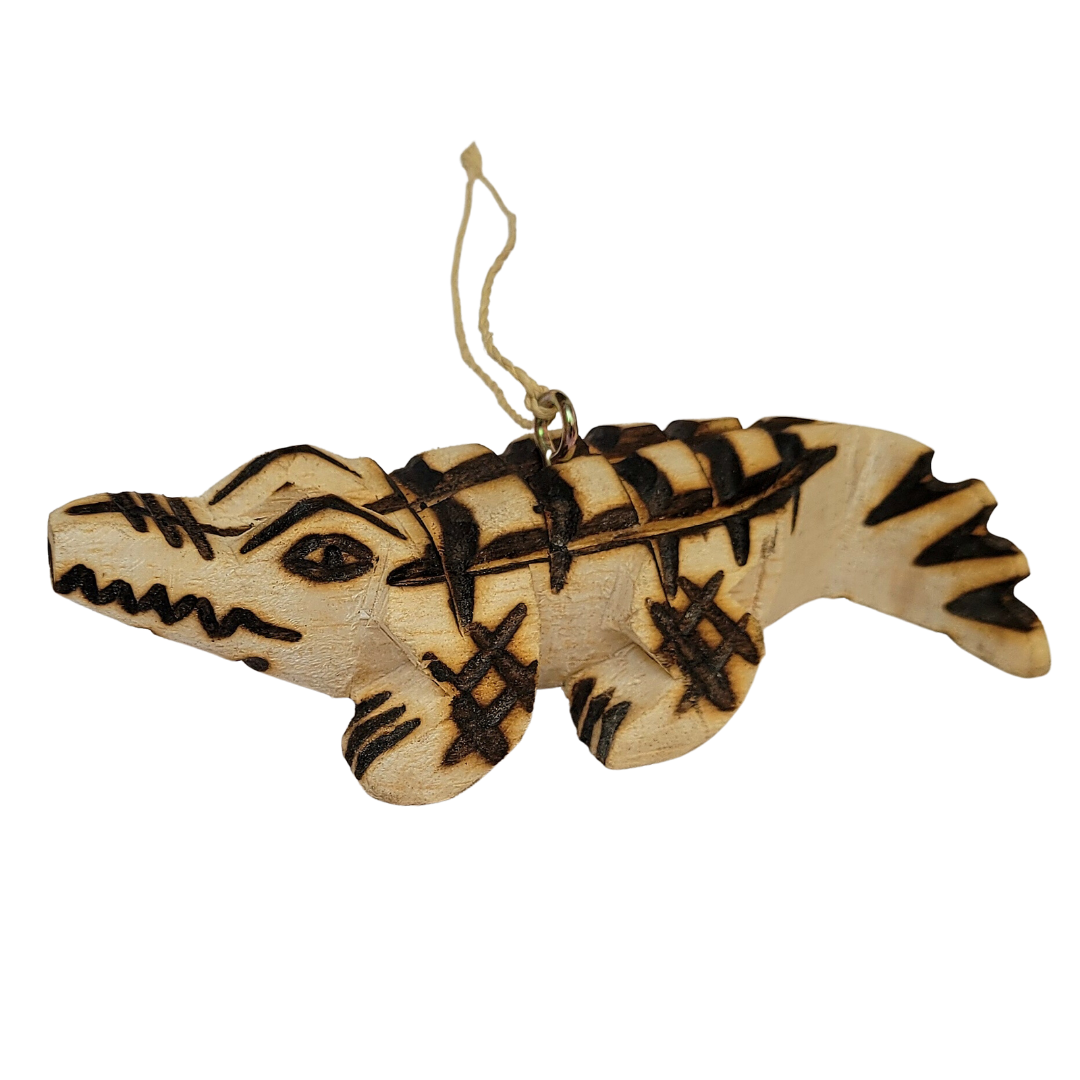
CAIMAN BALSA WOOD FAIR -TRADE ORNAMENT - CARVED BY PERUVIAN AMAZON ARTISAN
Choose your option
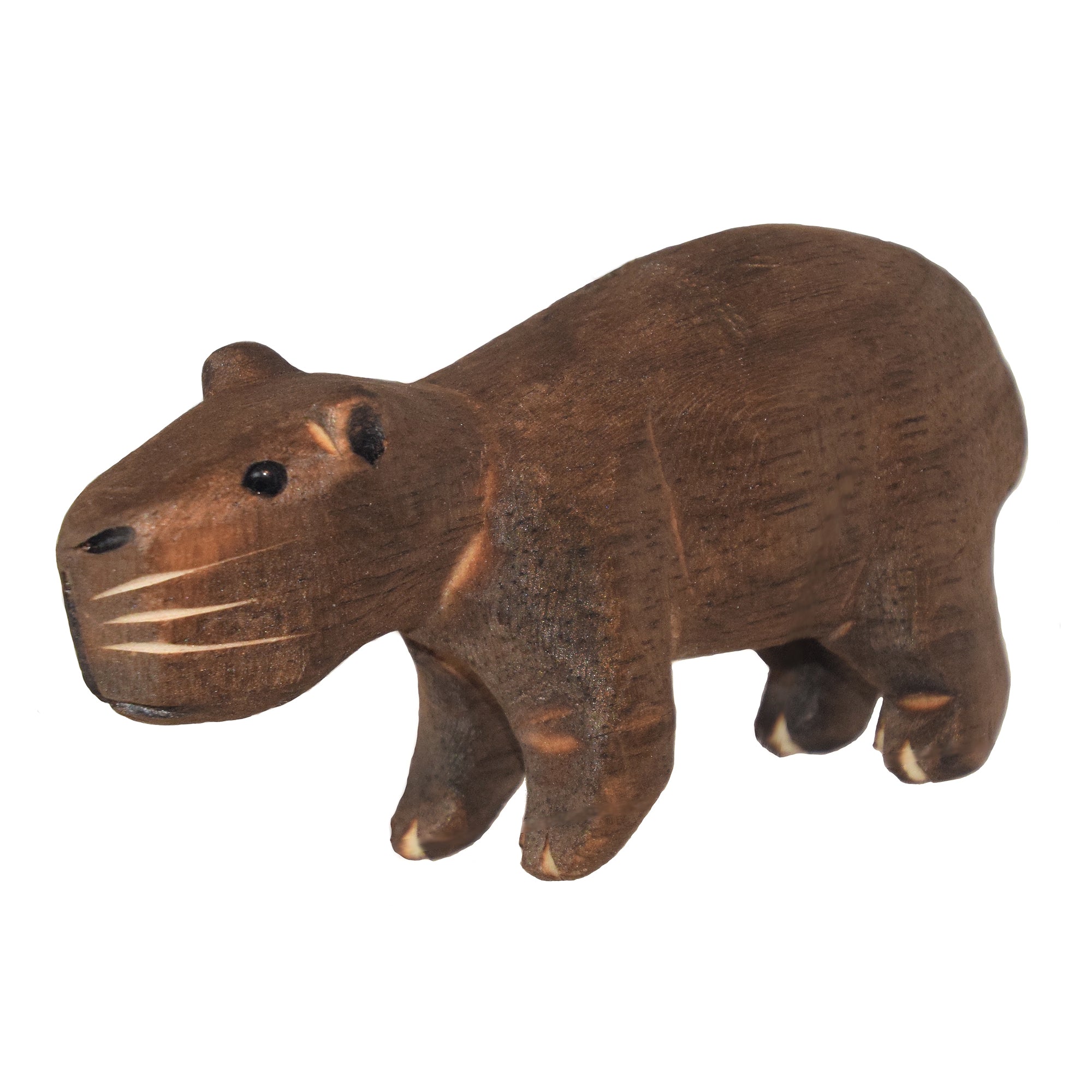
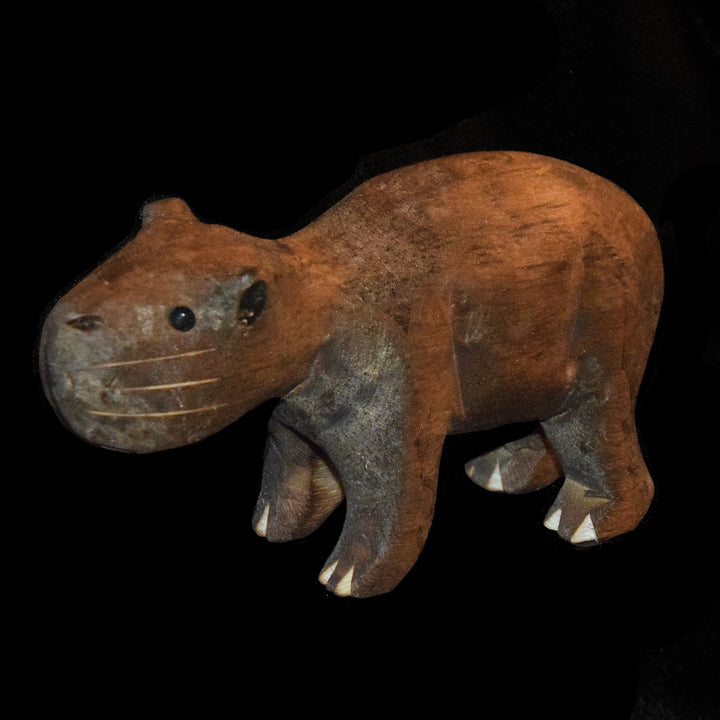
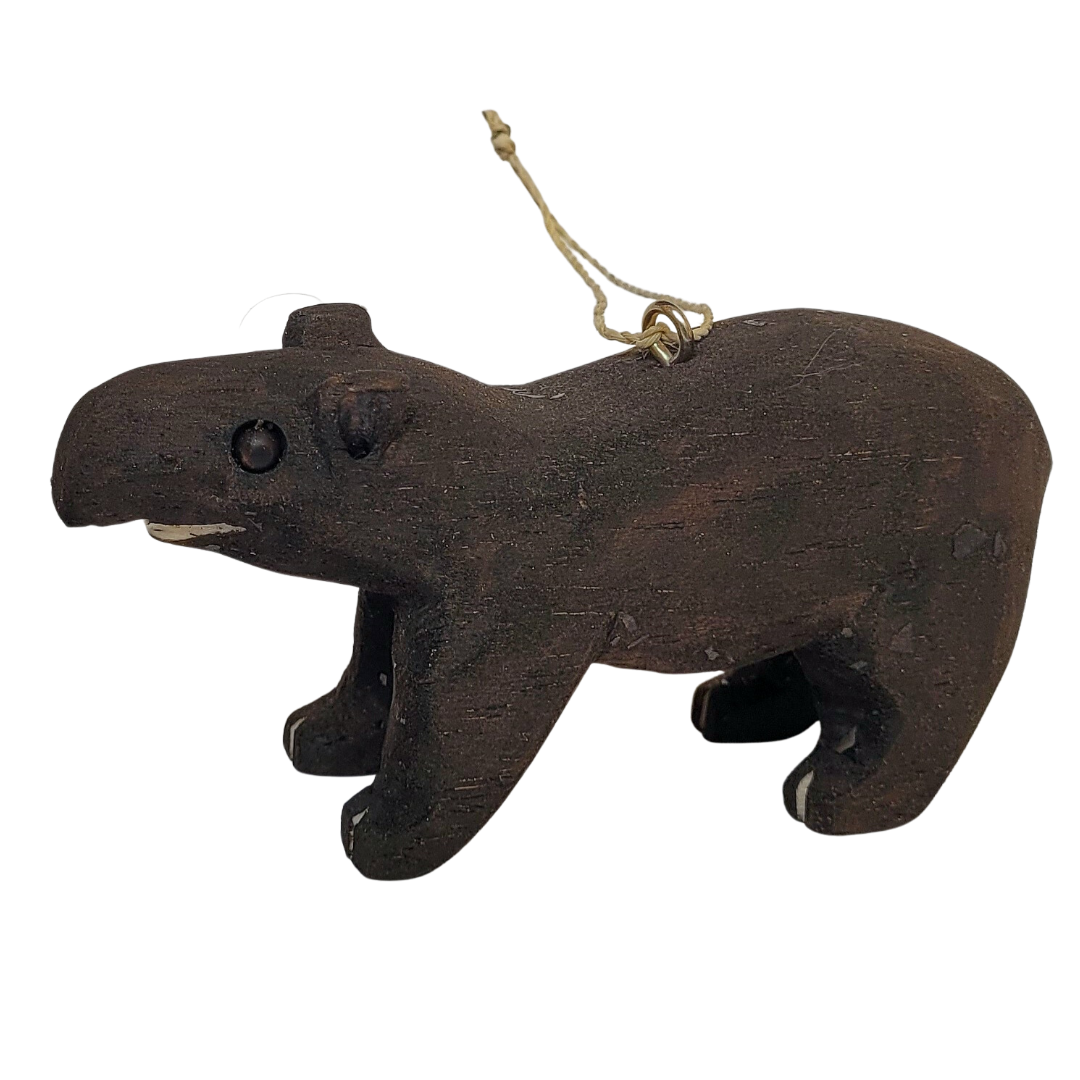
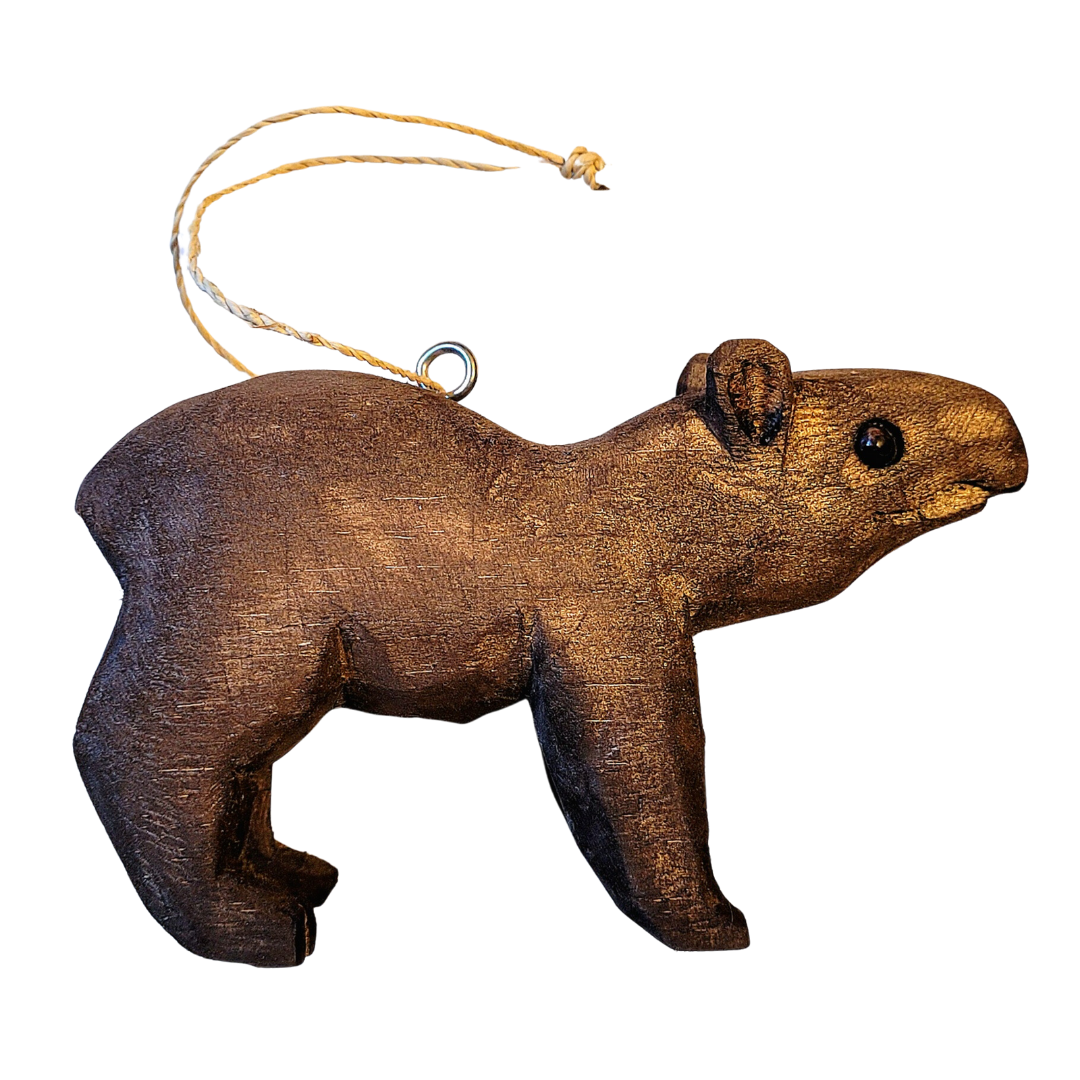
CAPYBARA BALSA WOOD FAIR -TRADE ORNAMENT - CARVED BY PERUVIAN AMAZON ARTISAN
Choose your option
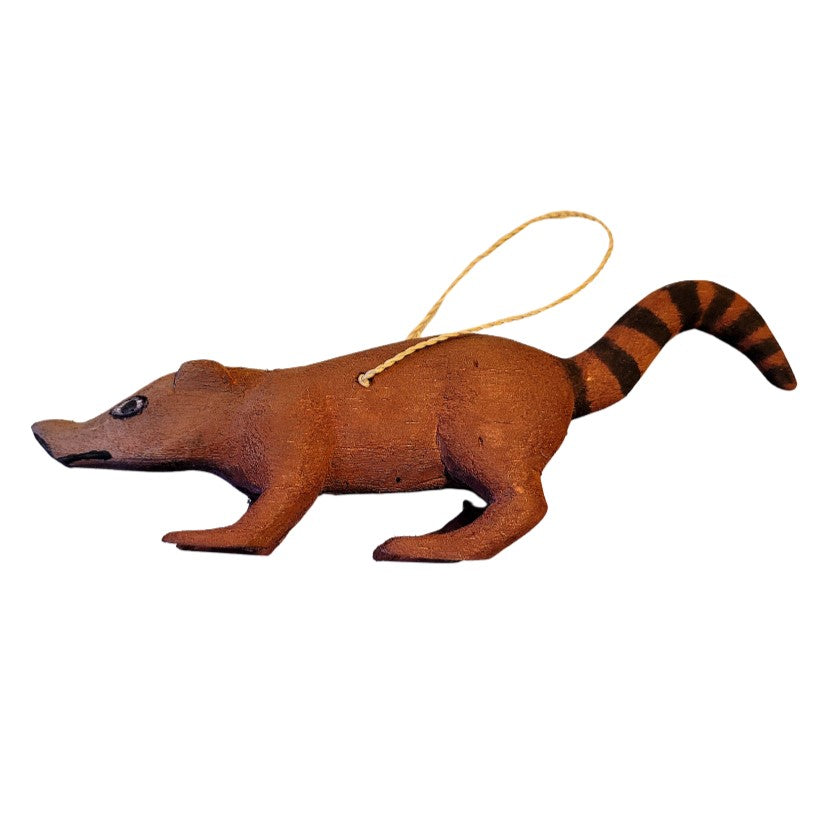
COATI BALSA WOOD FAIR -TRADE ORNAMENT - CARVED BY PERUVIAN AMAZON ARTISAN
Choose your option
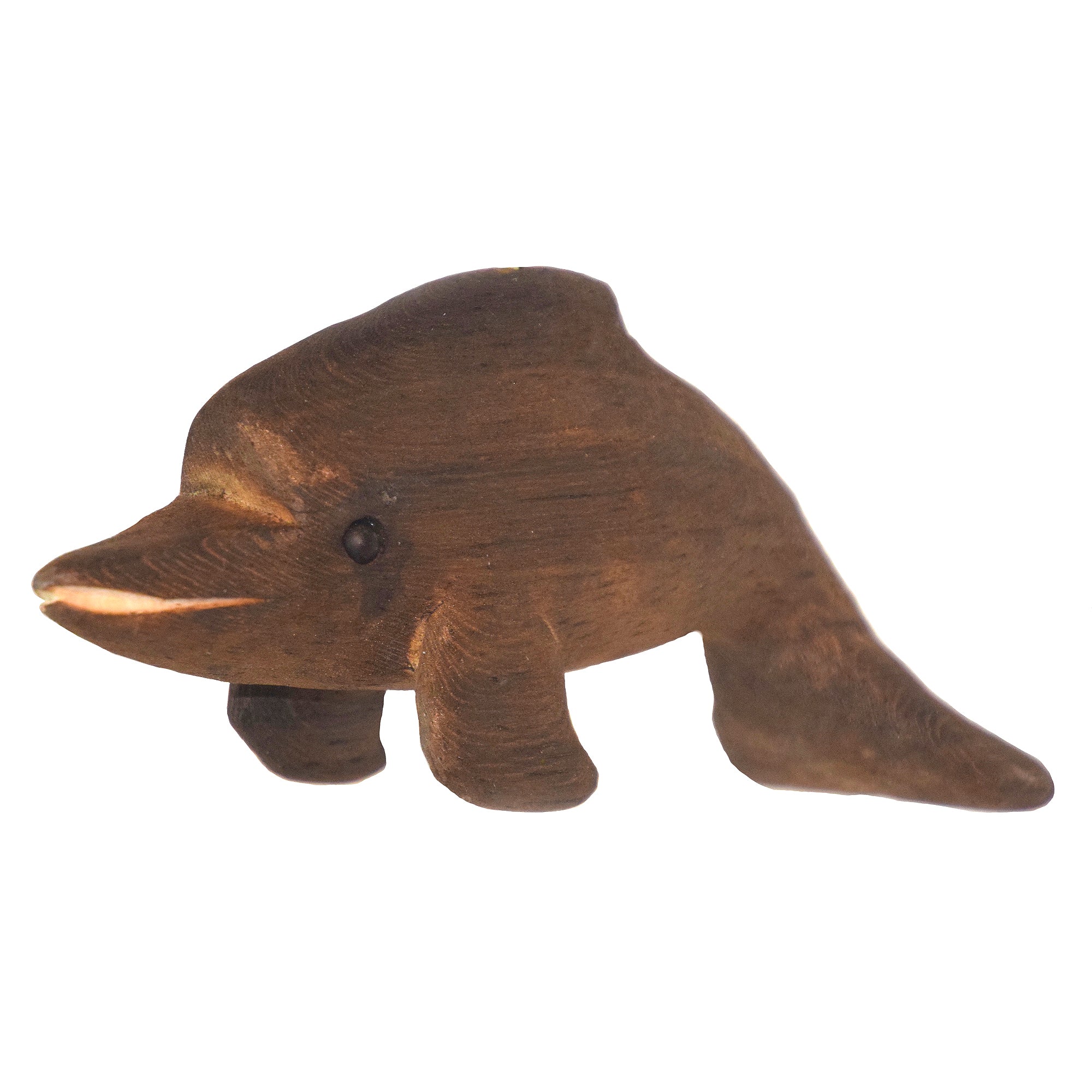
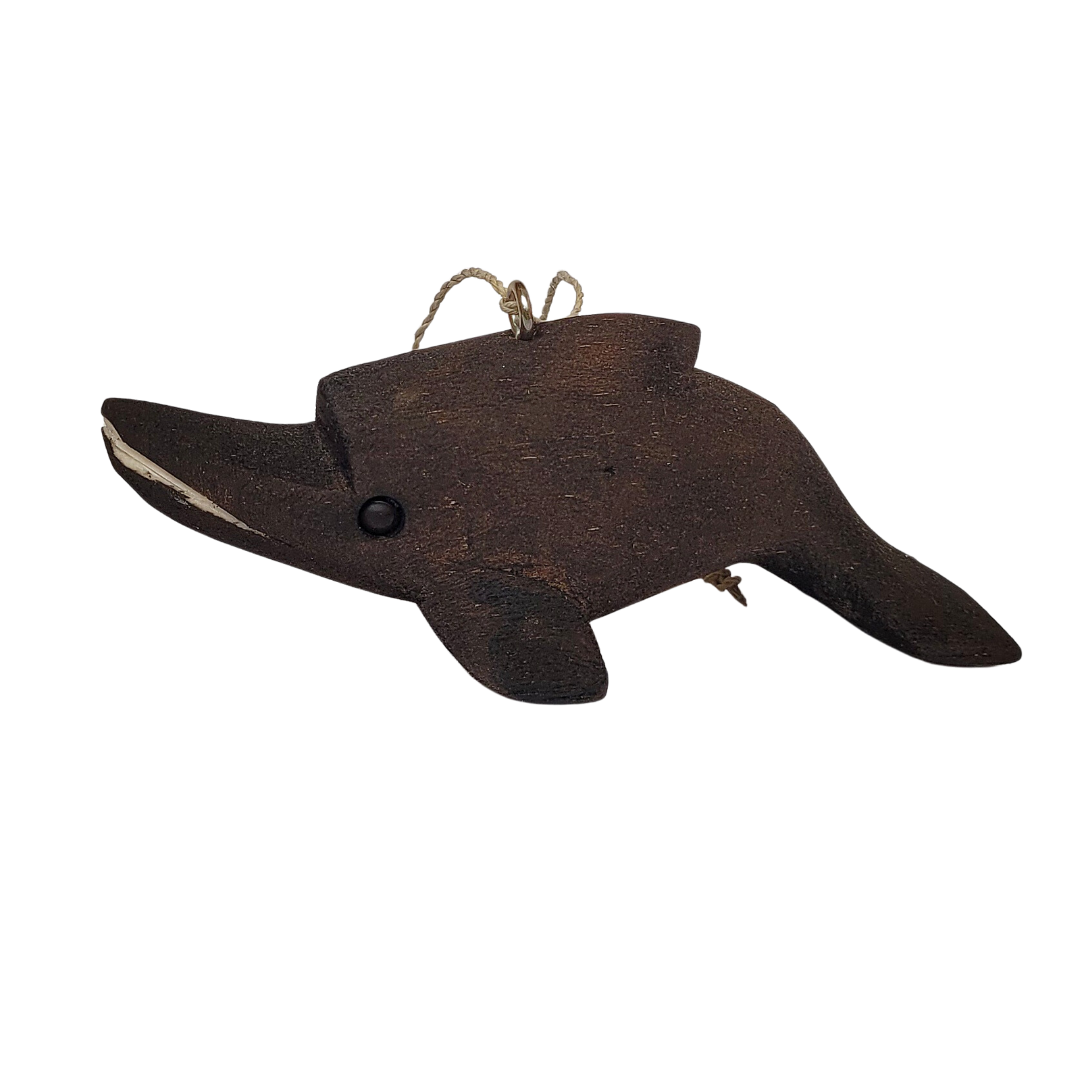
DOLPHIN BALSA WOOD FAIR -TRADE ORNAMENT - CARVED BY PERUVIAN AMAZON ARTISAN
Choose your option
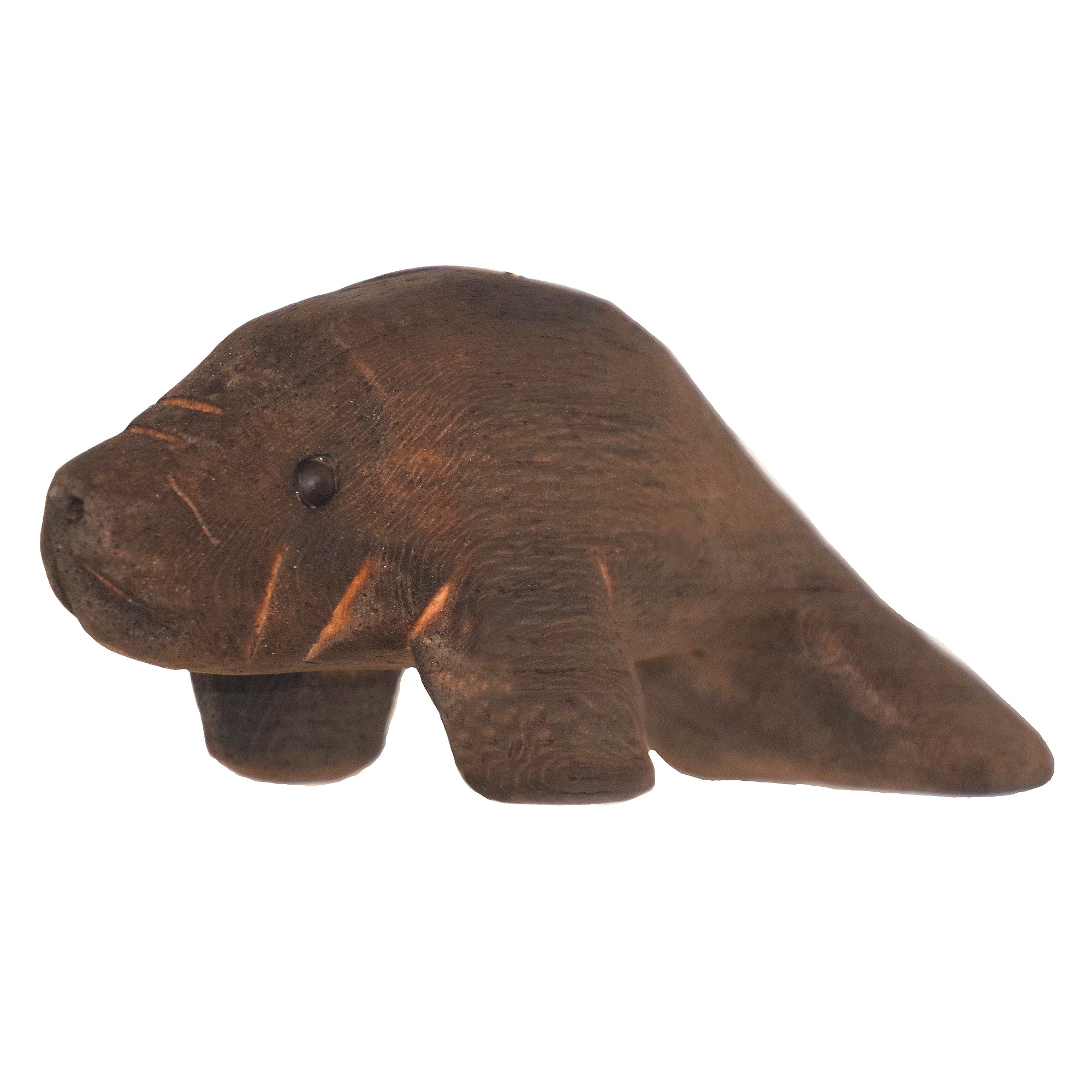
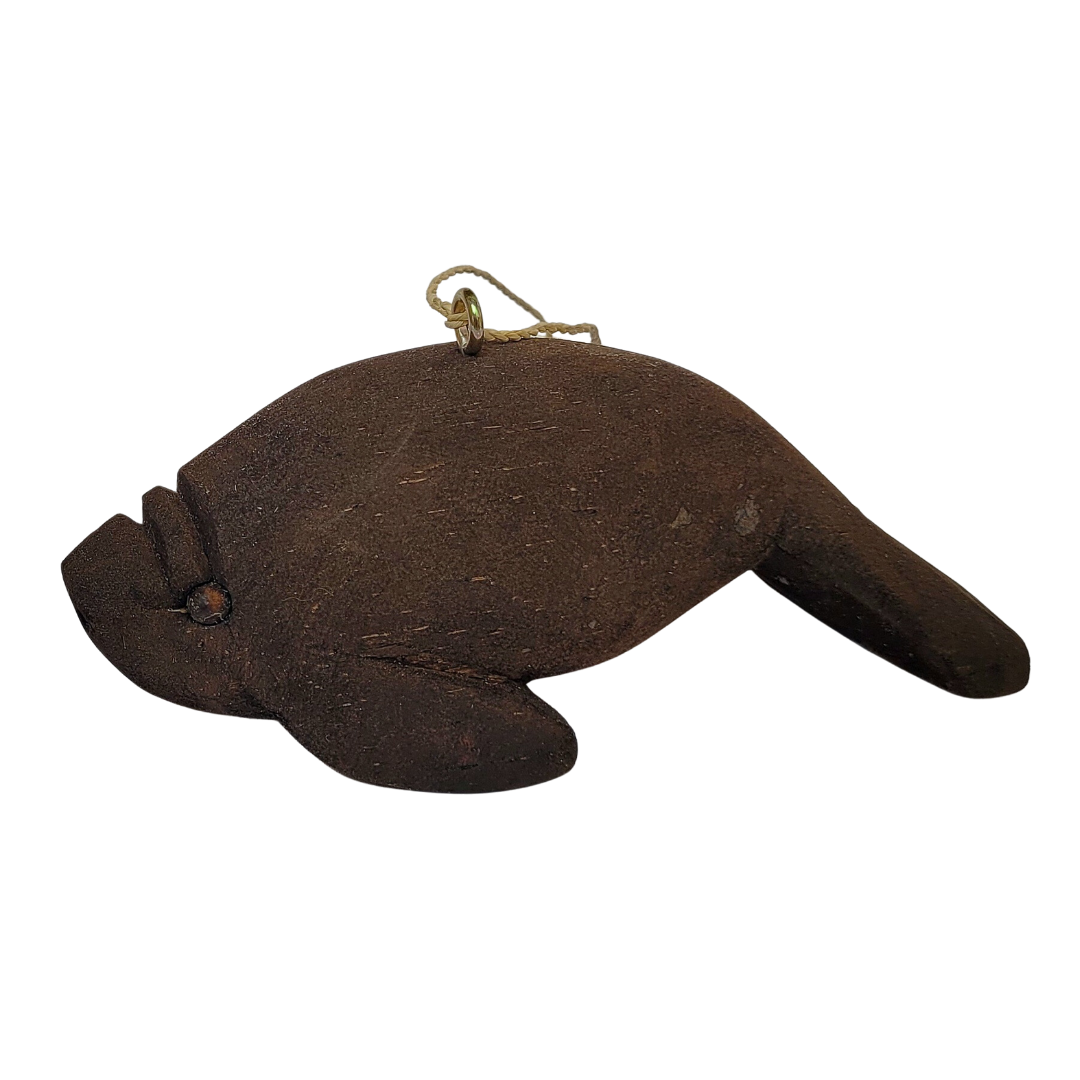
MANATEE BALSA WOOD FAIR -TRADE ORNAMENT - CARVED BY PERUVIAN AMAZON ARTISAN
Choose your option
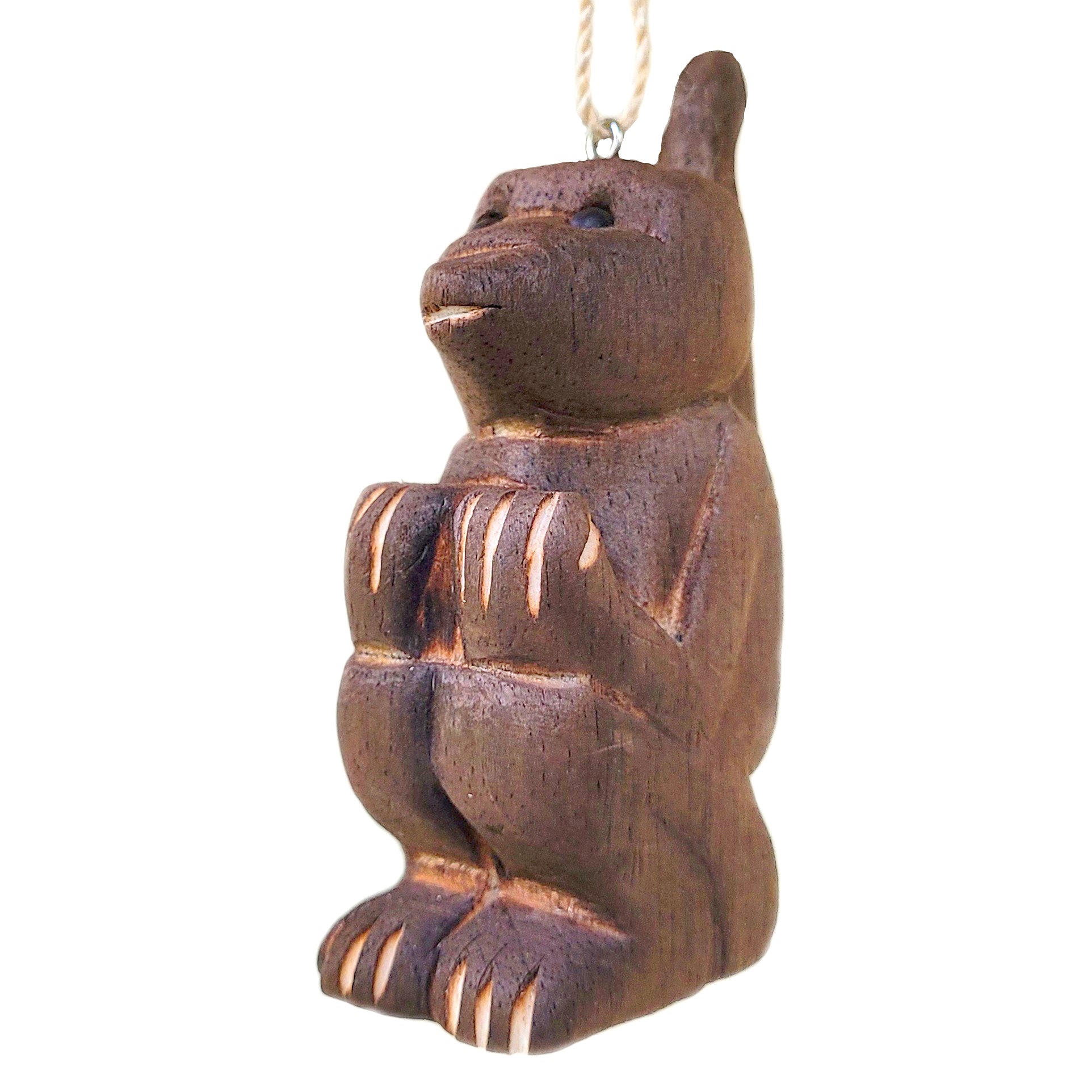
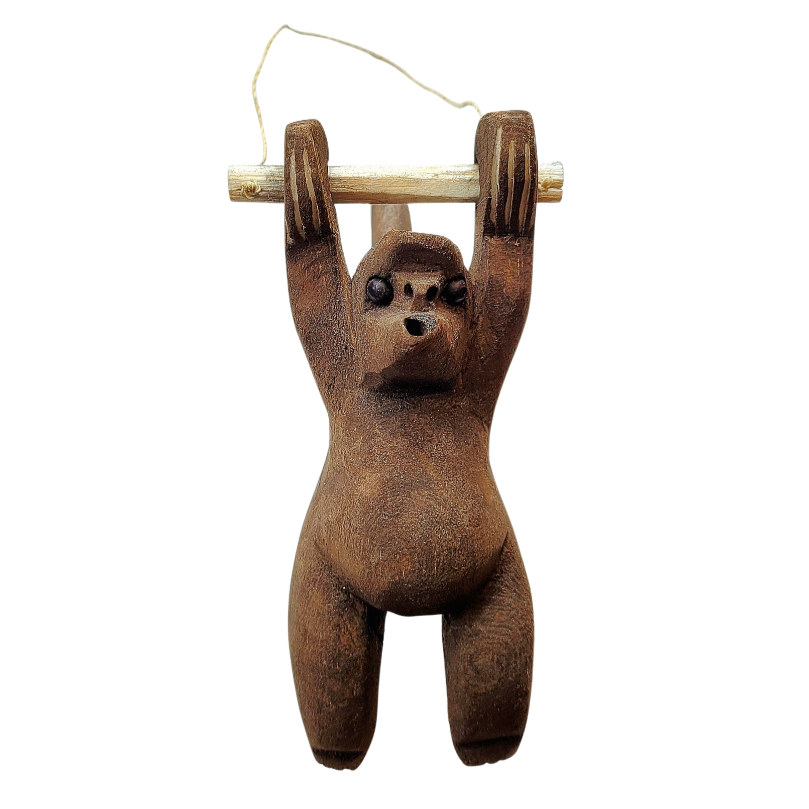
MONKEY BALSA WOOD FAIR -TRADE ORNAMENT - CARVED BY PERUVIAN AMAZON ARTISAN
Choose your option


Inspired by Nature, Crafted by Hand
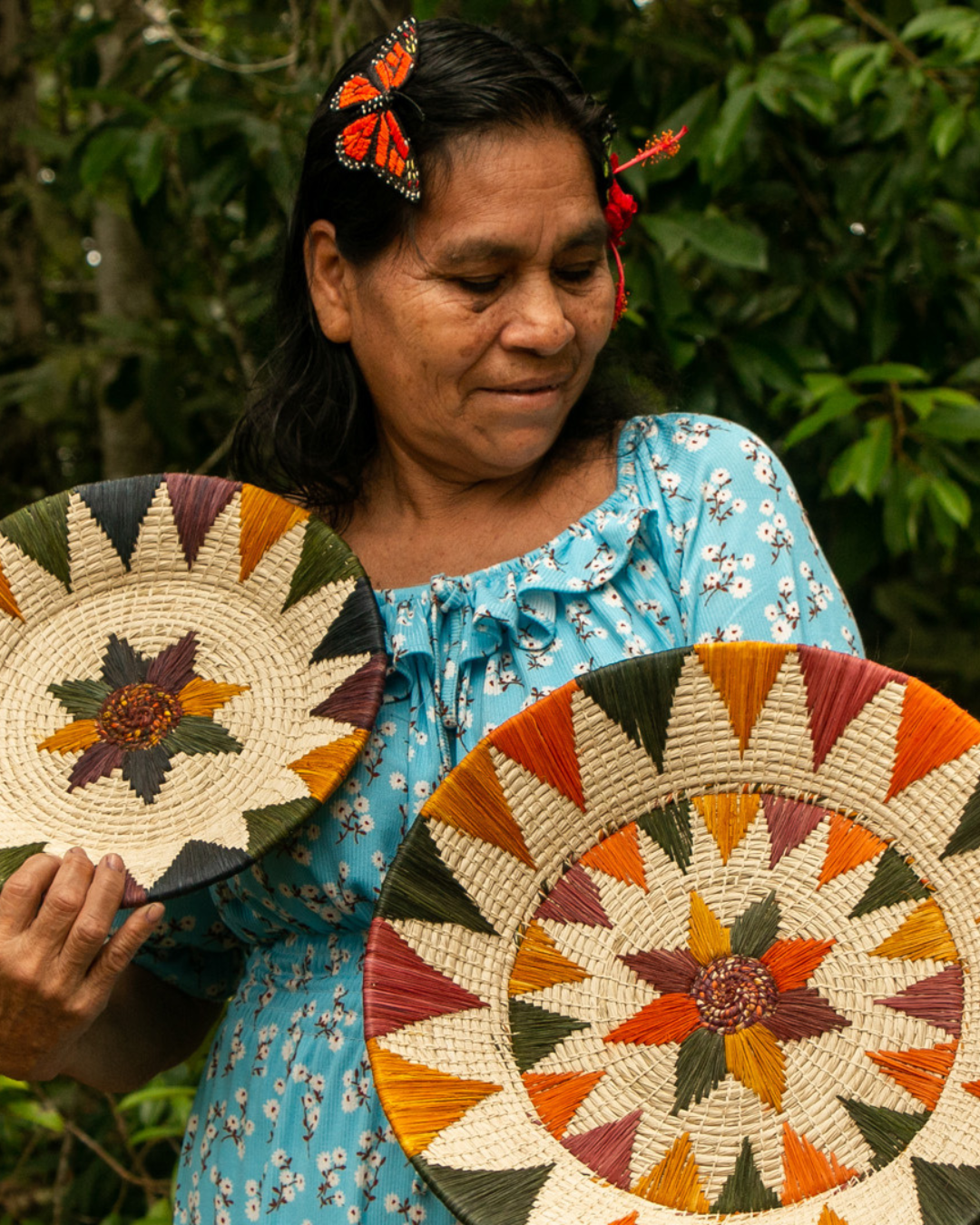
Lovingly hand-dyed and woven by master artisans in the Peruvian Amazon.
Every bird purchased helps support and preserve traditional crafting communities.


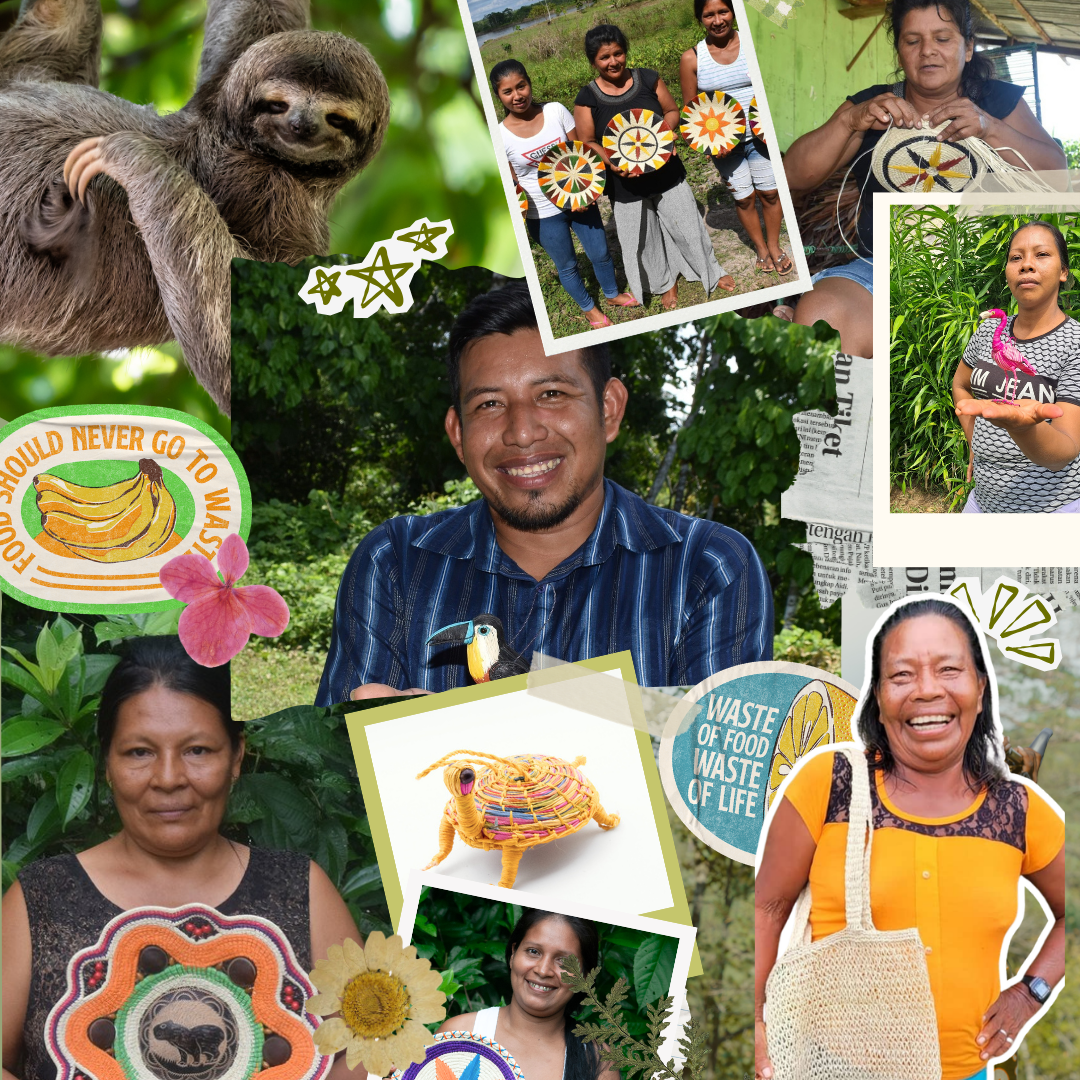
Hello there!
Welcome to the Amazon Forest Store - the online store of the Center for Amazon Community Ecology. We work with hundreds of native and campesino artisans from the Peruvian Amazon to produce and sell innovative fair trade handicrafts. Your purchase helps to create sustainable income for artisan families, promote forest conservation, and supports local development in their communities. CACE is a member of the Fair Trade Federation so we pay artisans promptly for their crafts. We also devote a portion of our sales to improve health, education and conservation needs in their communities.
Instruments and musical accessories
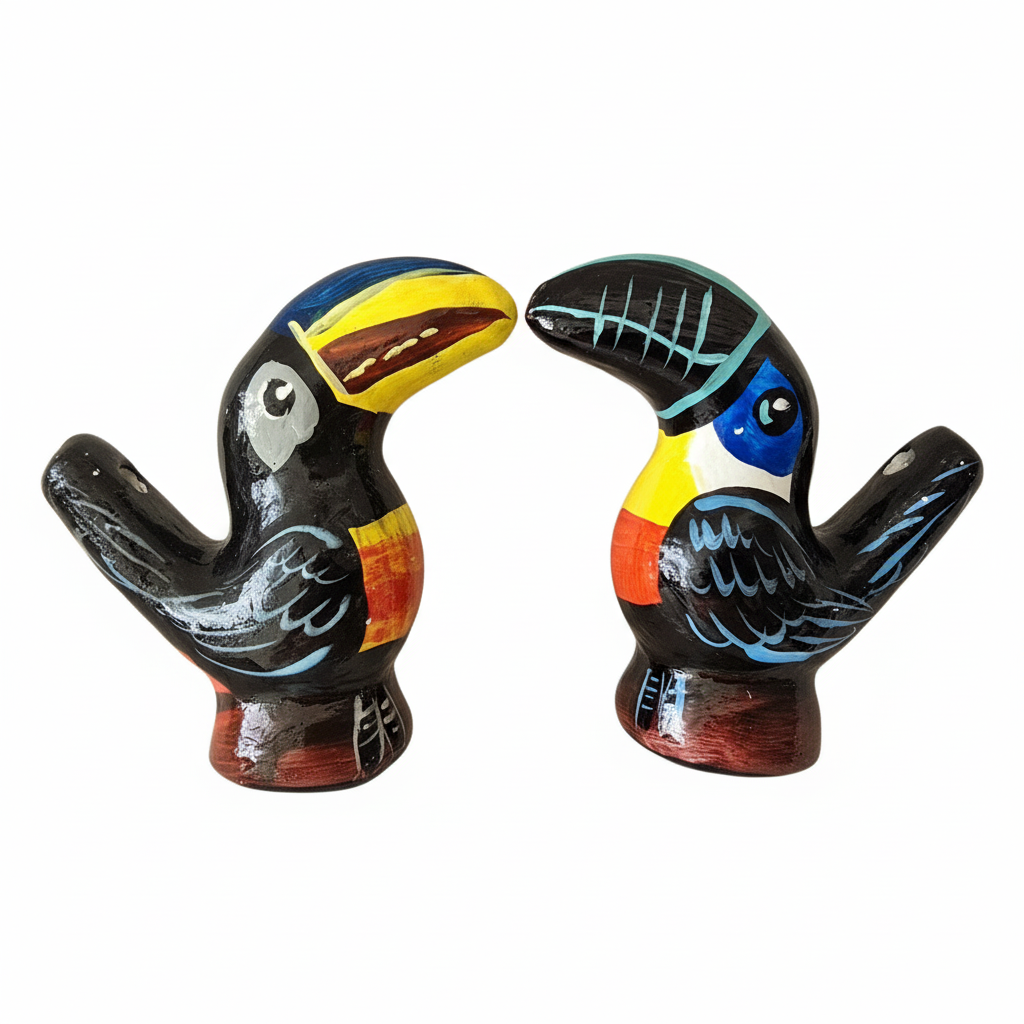
Toucan and Aracari Ceramic water whistle from the Peruvian Amazon
Choose your option
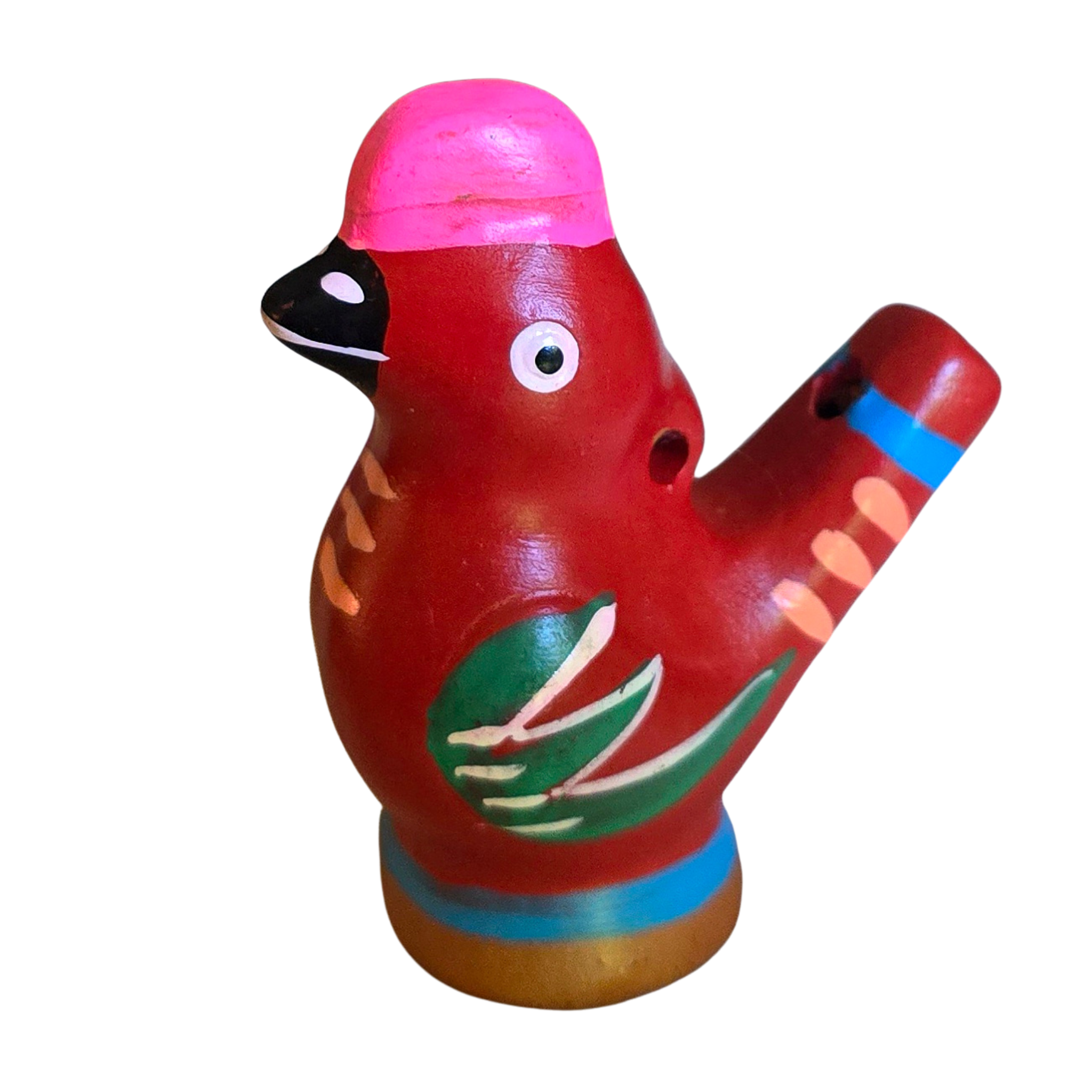
Instruments and musical accessories
Rooster Ceramic bird water whistle from the Peruvian Amazon
Choose your option
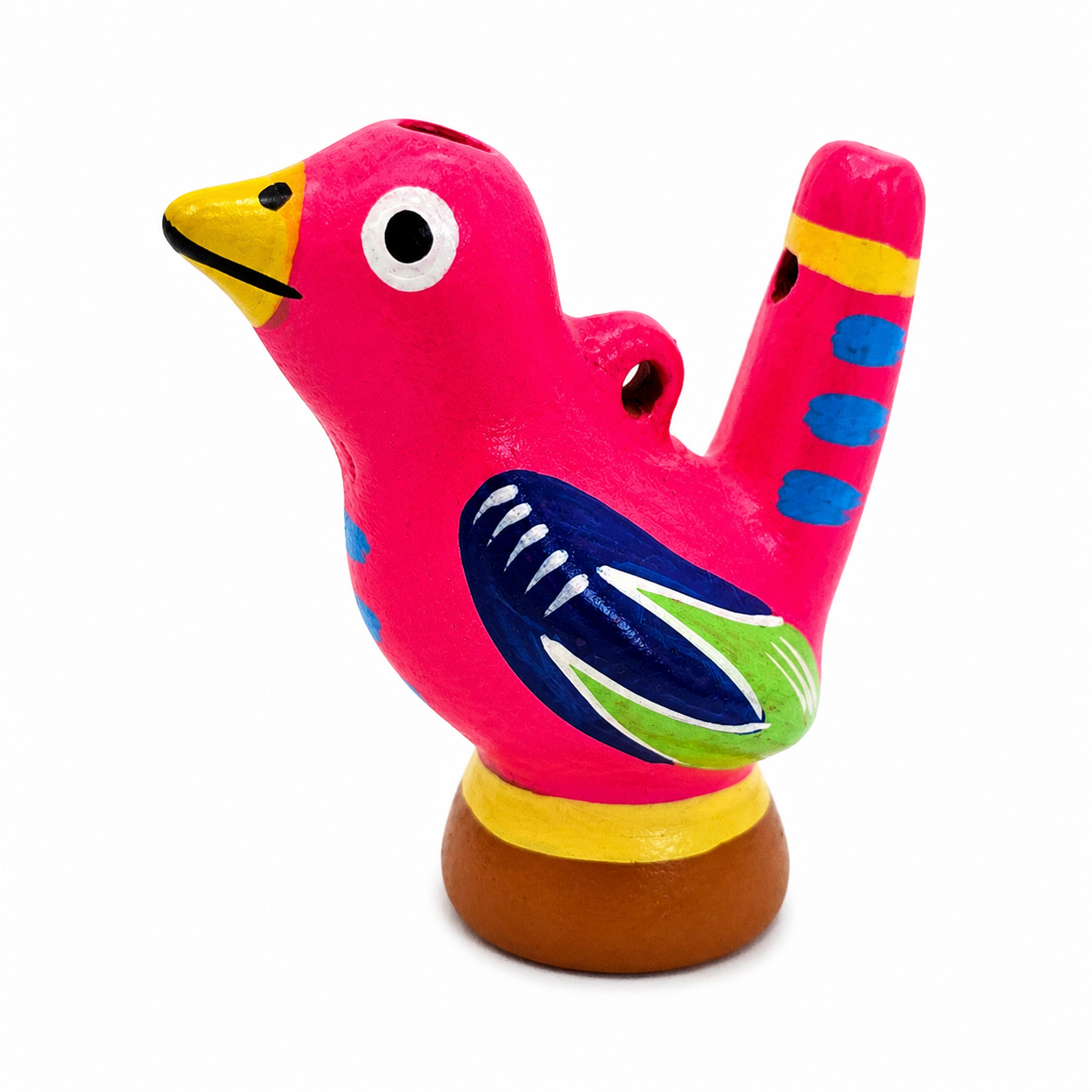
Instruments and musical accessories
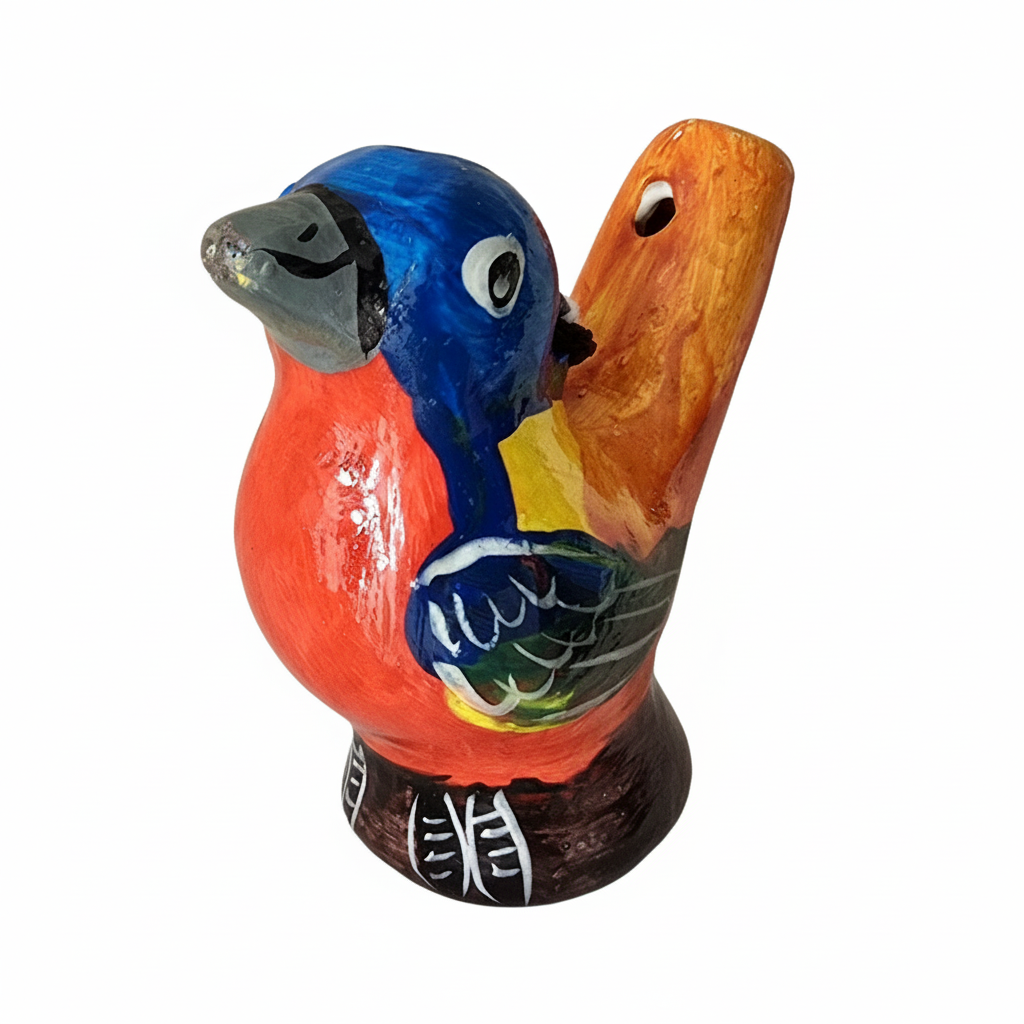
Colorful songbird ceramic bird water whistle from the Peruvian Amazon
Choose your option
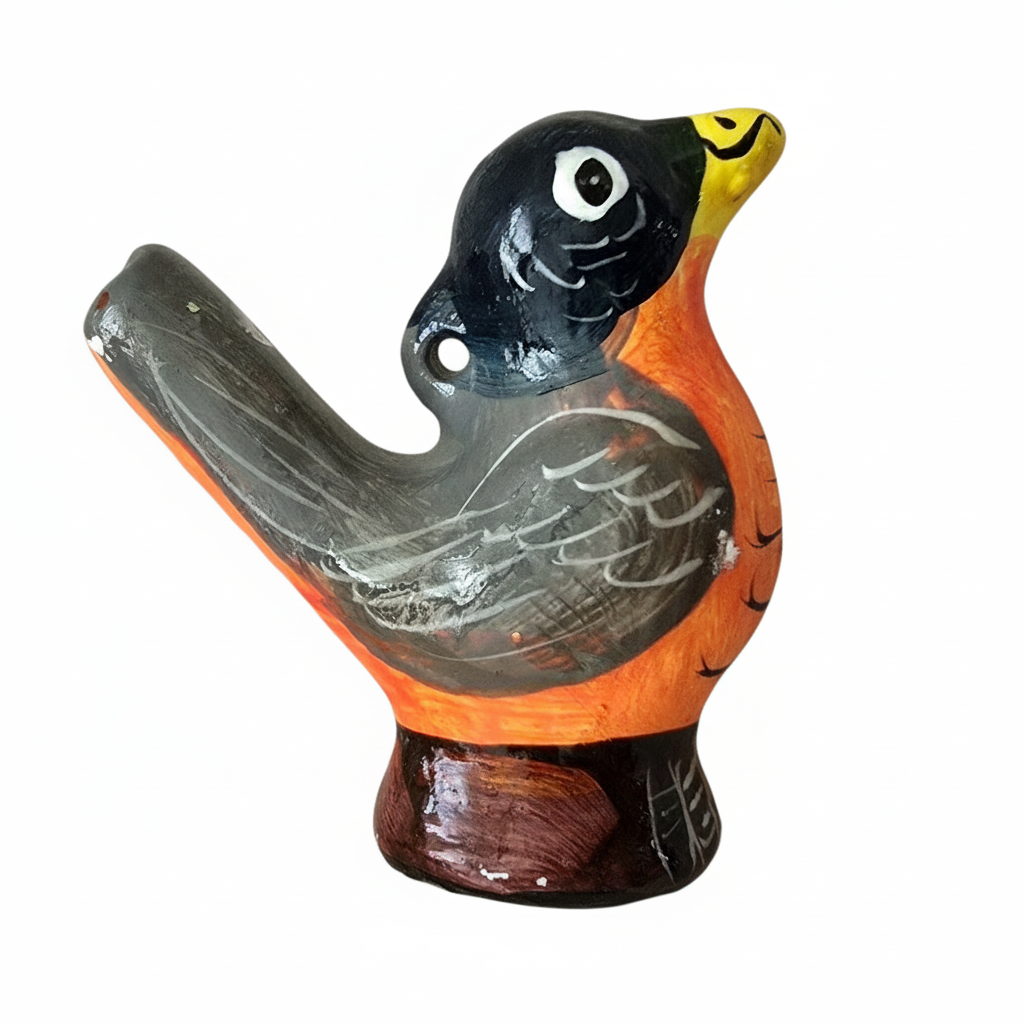
Instruments and musical accessories
Robin ceramic bird water whistle from the Peruvian Amazon
Choose your option
Find Your Forest Guardian
Take our short quiz to discover your Amazon-inspired match,
and enjoy 10% off your first order with your Guardian Discount.



Choose your option
Our Favorite Products
Follow Us on Instagram