The Amazon and the Center

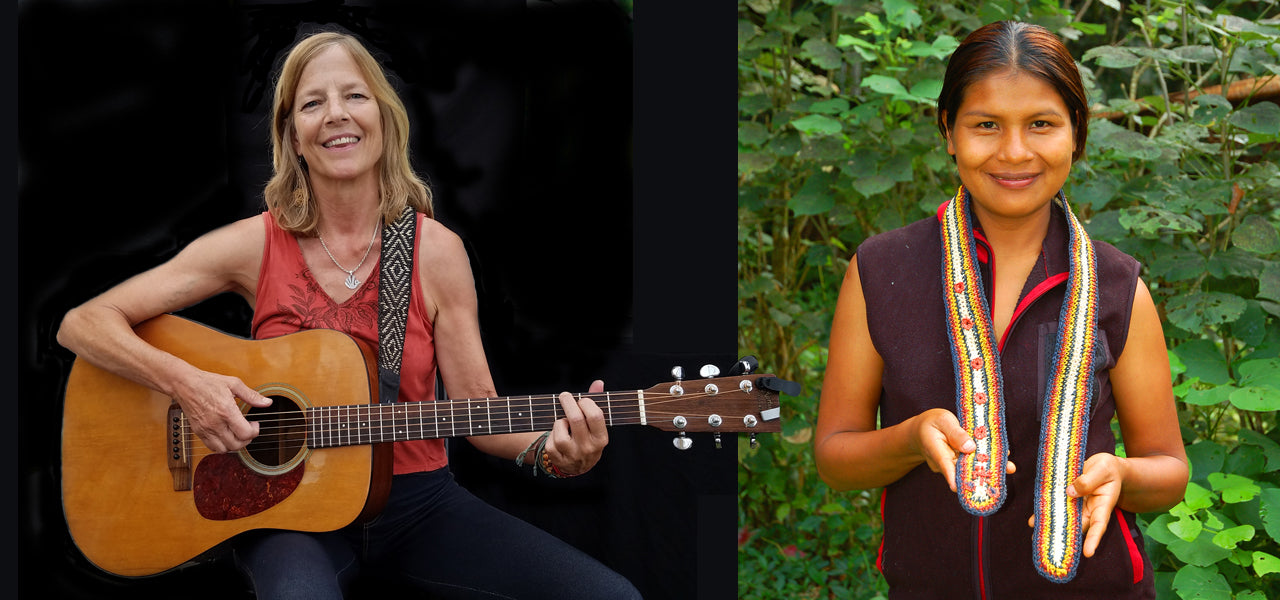
The mission of the Center for Amazon Community Ecology is to promote the understanding, conservation and sustainable development of human and other biological communities in the Amazon region. Our three strategies are research, community support and education, and we study the ecology and develop the sustainable harvest and marketing of non-timber forest products such as fruits, fibers, resins, and oils. We also work with indigenous and other forest peoples to sustain local resources and support their communities. See More


Artisans of the Ampiyacu

See the newest CACE video that tells the story in intimate images and music of the native artisans that the Center for Amazon Community Ecology works with in the Ampiyacu River basin of the Peruvian Amazon to develop and market innovative handicrafts. Please share this video with others.


Donate to the CACE Artisan and Forest Conservation Project in Peru on Global Giving at www.AmazonAlive.net.

CACE Global Giving Signature PhotoCACE is helping native artisans in Peru to increase their income and supporting their communities to improve health, education and forest conservation. Please share this link on Facebook to spread the word. See full Project Description and Progress Report #1 on Global Giving.


Rosewood Reforestation begins at Brillo Nuevo with Camino Verde

Rosewood planting group at Brillo Nuevo. Photo by Italo Melendez/CACE
Robin van Loon planting rosewood seedlings at Brillo Nuevo. Photo by Italo Melendez/CACE Planting rosewood seedling at Brillo Nuevo. Photo by Italo Melendez/CACE Carrying rosewood seedlings to field at Brillo Nuevo. Photo by Italo Melendez/CACE

In early Feburary, Project staff from CACE and our partner NGO Camino Verde safely escorted 900 rosewood seedlings on a two-day journey by truck, ferry, speed boat, motor-canoe and basket backpacks from a government nursery on the Ucayali River to fields in the Bora native community of Brillo Nuevo on the Ampiyacu River. Five families each planted a share of the seedlings in a secondary forest site near the village. The effort was supervised by Robin van Loon, CACE advisor and executive director of Camino Verde which carries out reforestation and other community forestry projects in the southern Peruvian Amazon. We hope these trees will grow enough in three to four years to sustain a modest harvest of leaves that can be distilled into an aromatic essential oil that can be sold to fragrance companies. See more photos of the journey and community planting.

Craft Sale Social Rebate Funds Community Pharmacy in Bora Native Village

Bora man building community pharmacy in Brillo Nuevo. Photo by C. Plowden/CACE Painting Brillo Nuevo pharmacy
Buying medical supplies for Jenaro Herrera. Photo by C. Plowden/CACE Buying toilet for Chino children's bathroom. Photo by C. Plowden/CACE

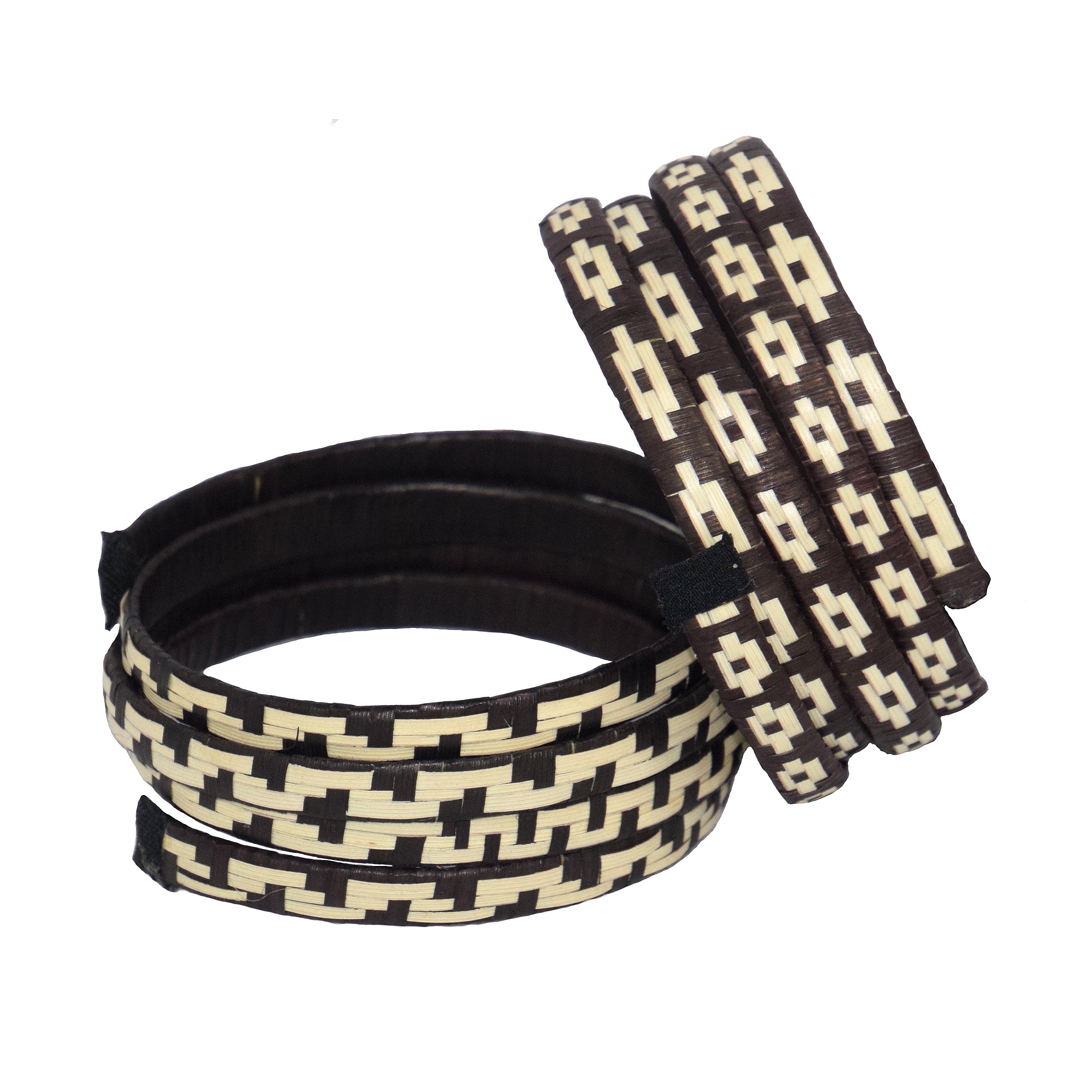
CACE pays artisans up front for their work and sets aside 20% of craft sales from our partner communities to help support their health, education and conservation needs. People from the Bora native village of Brillo Nuevo just finished a community pharmacy with some CACE social rebate funds and will buy more medicines and curved saws to carefully harvest young chambira palm stems in place of machetes. See more pharmacy photos. The campesino community of Chino has used past rebates from CACE basket sales to build desks for its school and basic supplies for students. A Rainforest Conservation Fund representative in Iquitos helped CACE buy a toilet, plumbing and construction supplies for Chino residents to build a new bathroom for its primary school. CACE sales of jewelry and other crafts from Jenaro Herrera has helped this small town buy a printer and basic equipment for its school and medical supplies (small surgical tools, blood pressure cuff, etc.) for its health clinic. Our next goal is to get a delivery bed for its maternity ward. See more social rebate photos.


New CACE partner native communities and new handicrafts

Huitoto artisan cleaning tutuma ornament.  Photo by C. Plowden/CACE Chambira palm fiber purse from Nueva Esperanza. Photo by Campbell Plowden/CACE
Ocaina artisan drying guisador dyed chambira palm fiber.  Photo by C. Plowden/CACE Yagua artisan with miniature chambira palm hammock. Photo by C. Plowden/CACE
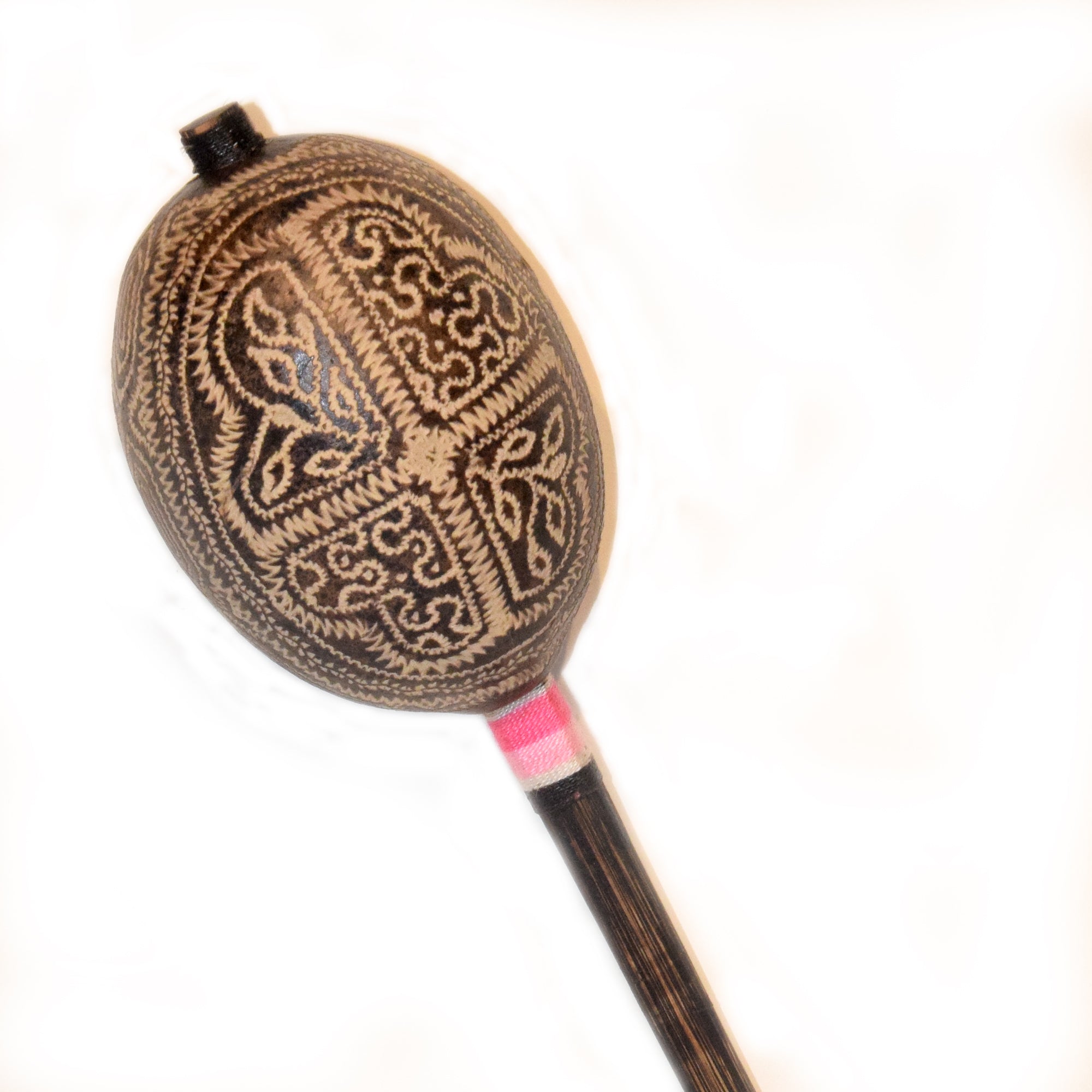
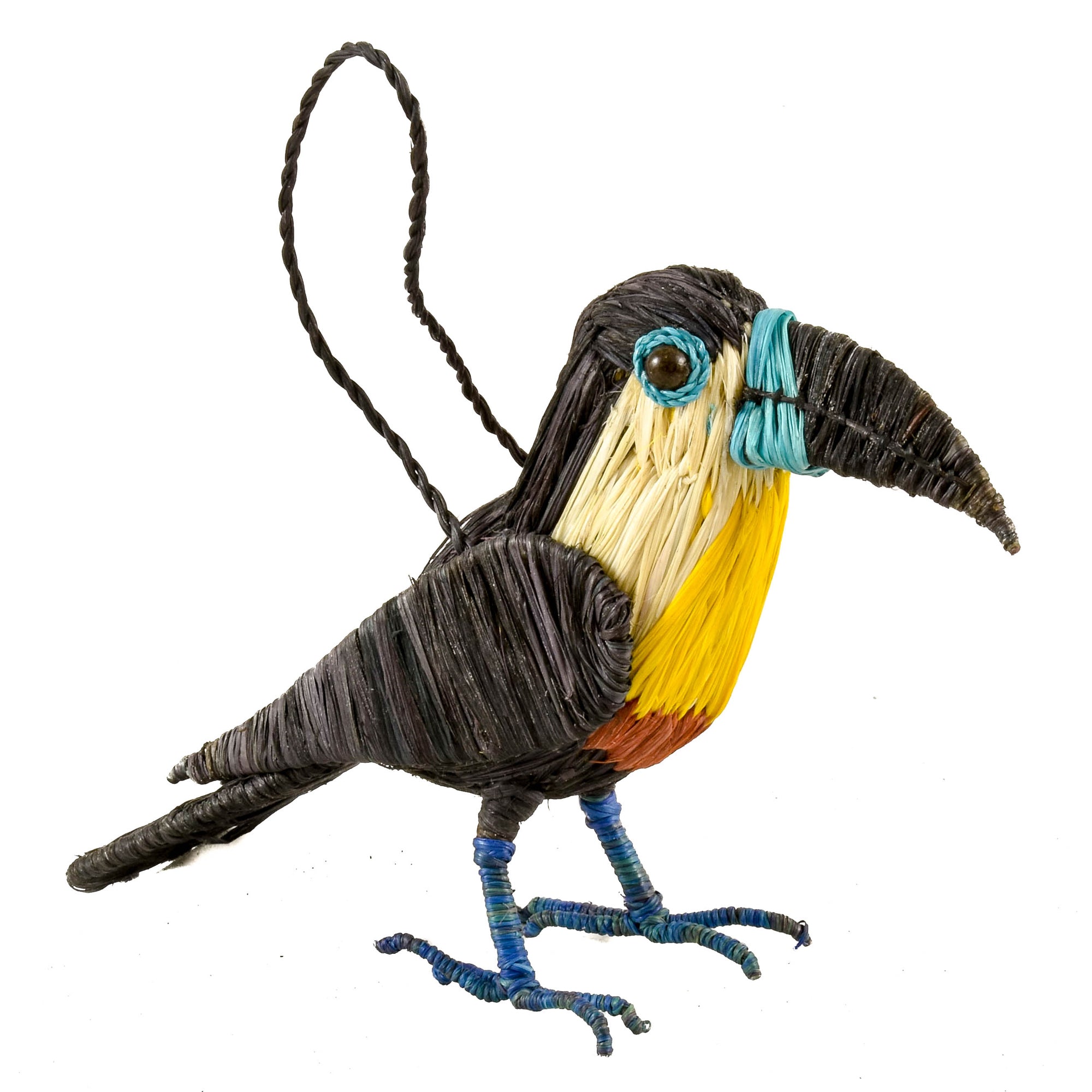
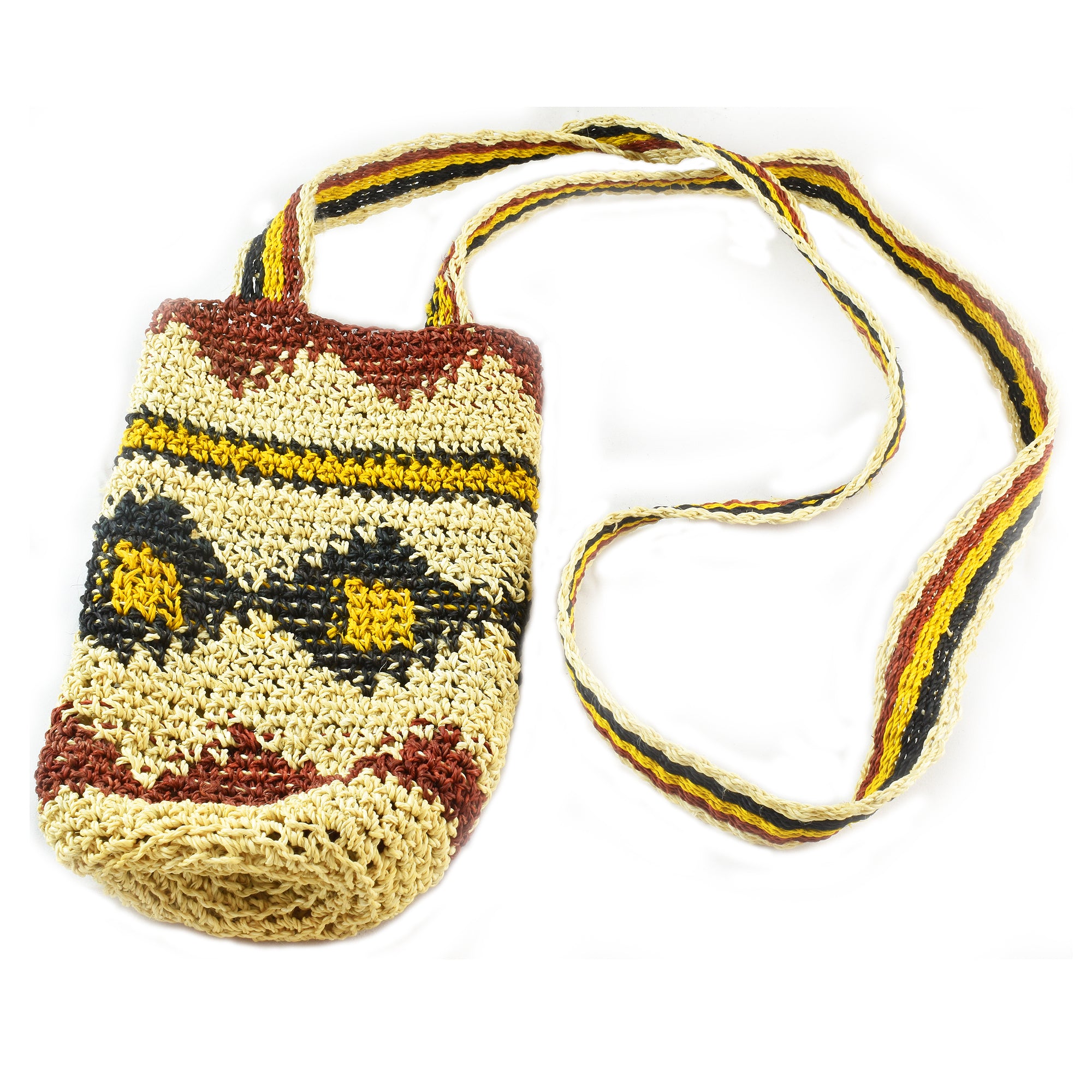
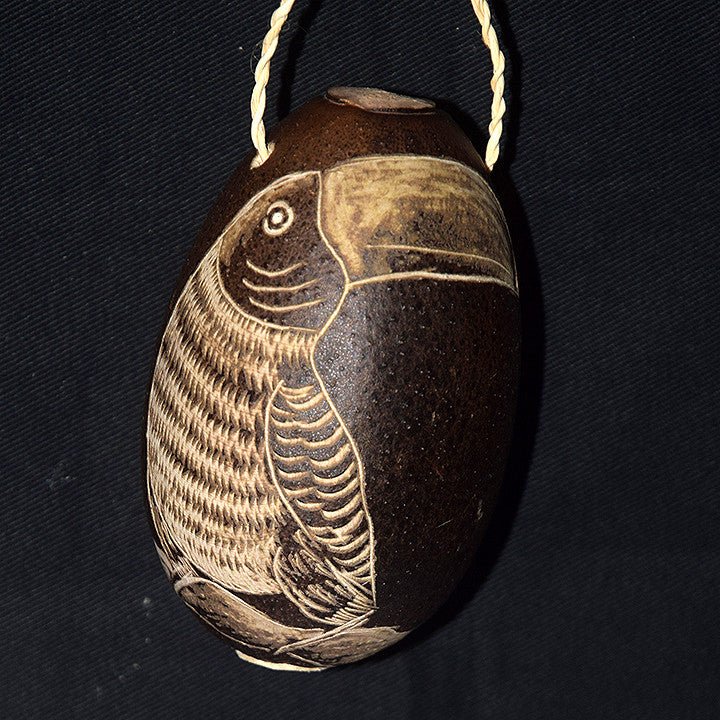
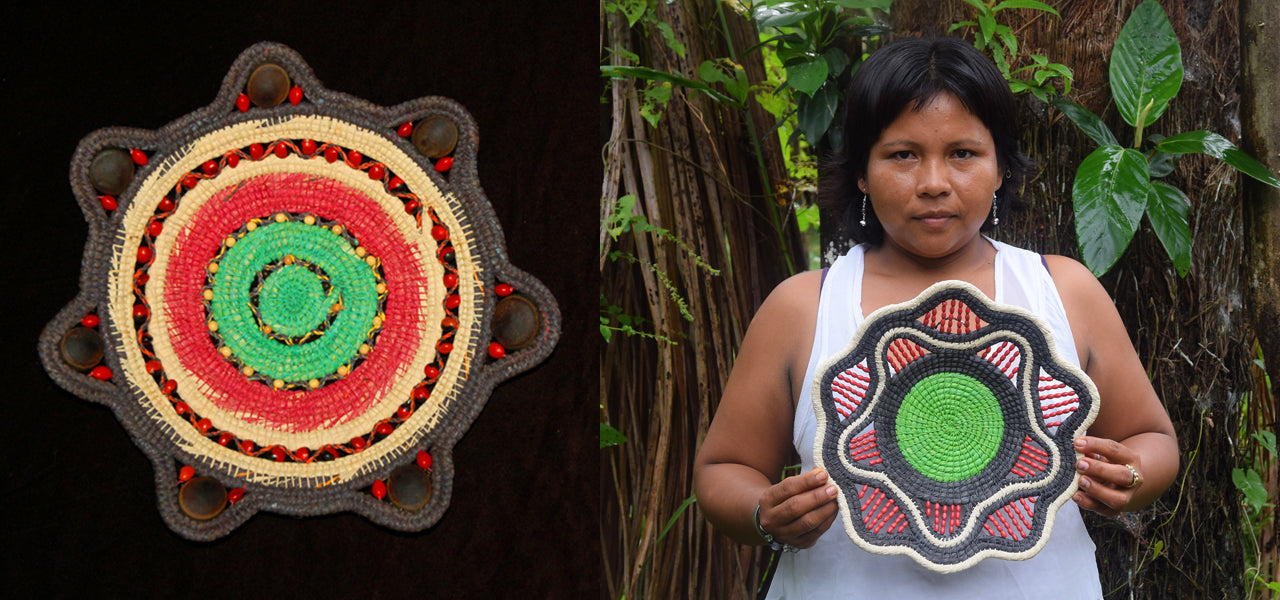
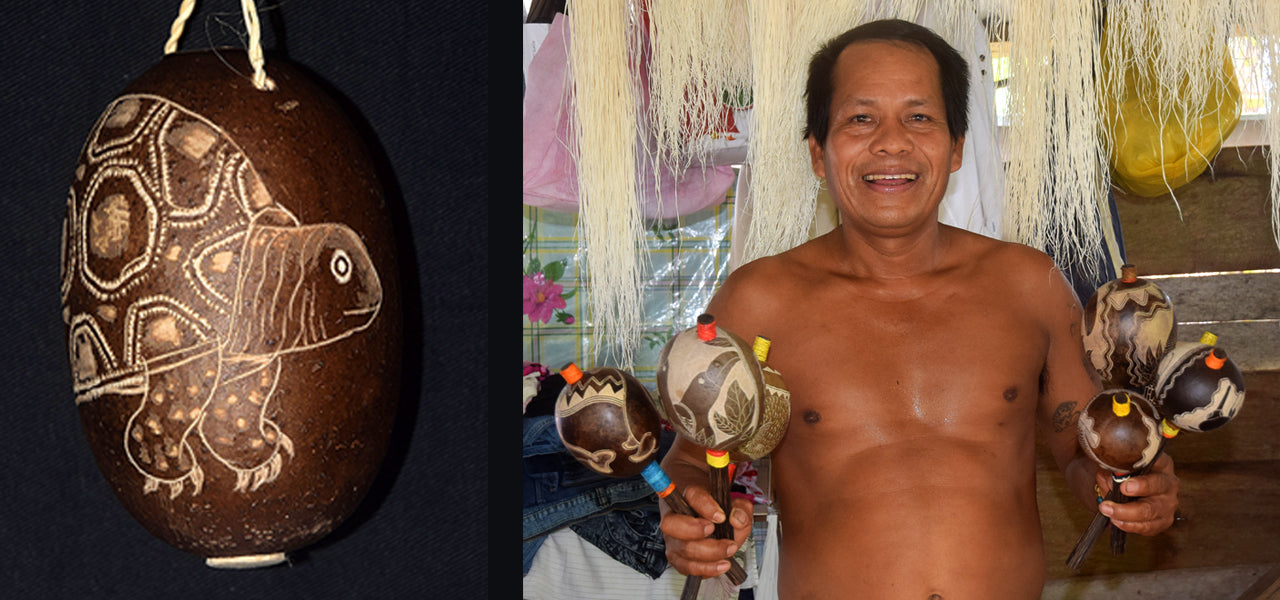
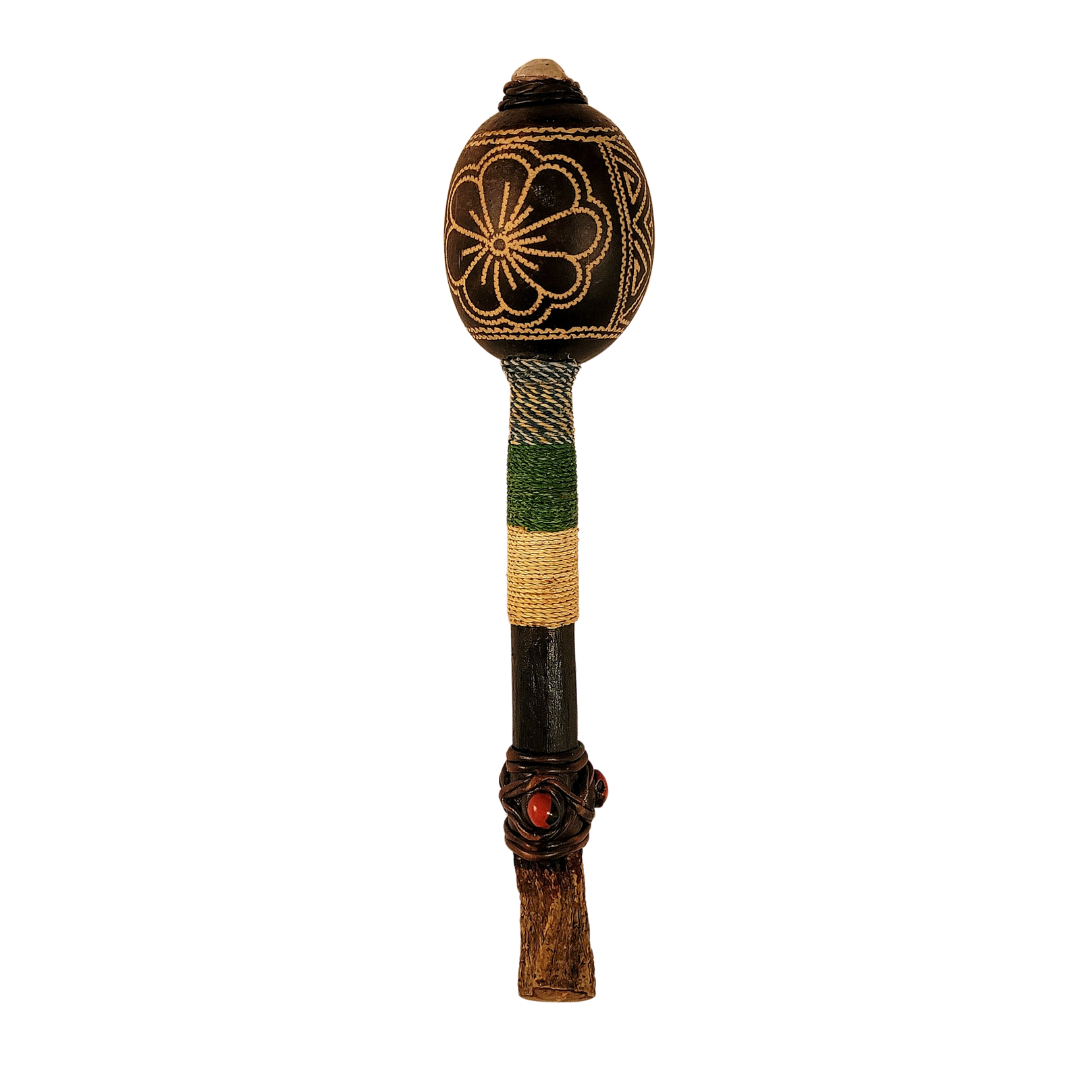
CACE is continuing to work in the Bora village of Brillo Nuevo and with nenewed support from the Rufford Small Grant Fund and Marjorie Grant Whiting Center we have also begun working with artisans in three other native communities near the Ampiyacu River in Peru. We are buying some beautiful woven chambira bags already made in these places, and also developing a new signature product with each of our new partners. In Puca Urquillo which has both Bora and Huitoto "neighborhoods," artisans are making more calabash fruit pod ornaments etched with outlines of Amazon wildlife. These ornaments double as rattles that fit in the palm of your hand. A few women are also weaving miniature armadillo ornaments with chambira palm fiber. Artisans from the Ocaina village of Nueva Esperanza are creating a line of woven coin purses for girls and larger pouches for a cell phone or other small items. The fibers are colored with all natural plant dyes. Our newest partners are Yagua artisans from San José de Piri. Many native artisans make full-size hammocks, but three women from this village are making prototypes of a doll-sized chambira palm fiber hammock for us to test market. Should be perfect an American Girl siesta. See CACE Director Campbell Plowden's full accounts of visits to these communities at: Preparing for Christmas with Huitoto and Bora artisans in July, Rain on the River and Ocaina Quest for Well-being, and New Yagua Crafts, a Monkey-Cat Alliance, and a Gecko in the Toilet.

Amazon crafts at stores in Central PA

Tait Farm logo Chambira woven basket
Green Drake sign Green anaconda Amazon guitar strap
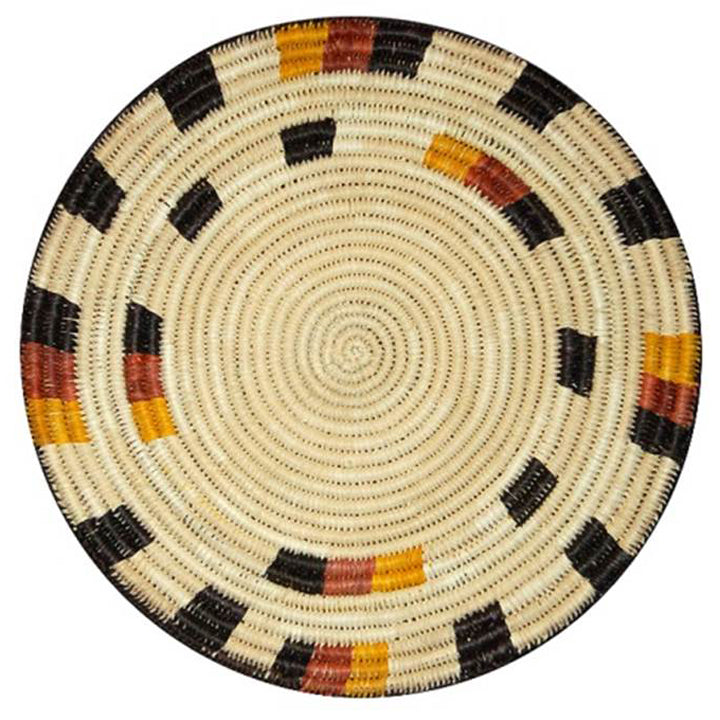
Beyond our direct sales, handicrafts made by artisans from our partner communities in Peru can be found at two stores in central Pennsylvania. Please check out our crafts there and patronize these great local businesses. The Tait Farm Harvest Shop at 179 Tait Road off Route 322 between State College and Boalsburg, PA sells colorful chambira palm baskets made by campesino artisans from Chino Village on the Tahuayo River year-round. Also check out their selection of Amazon jewelry made by our partner artisans from Iquitos and Jenaro Herrera.
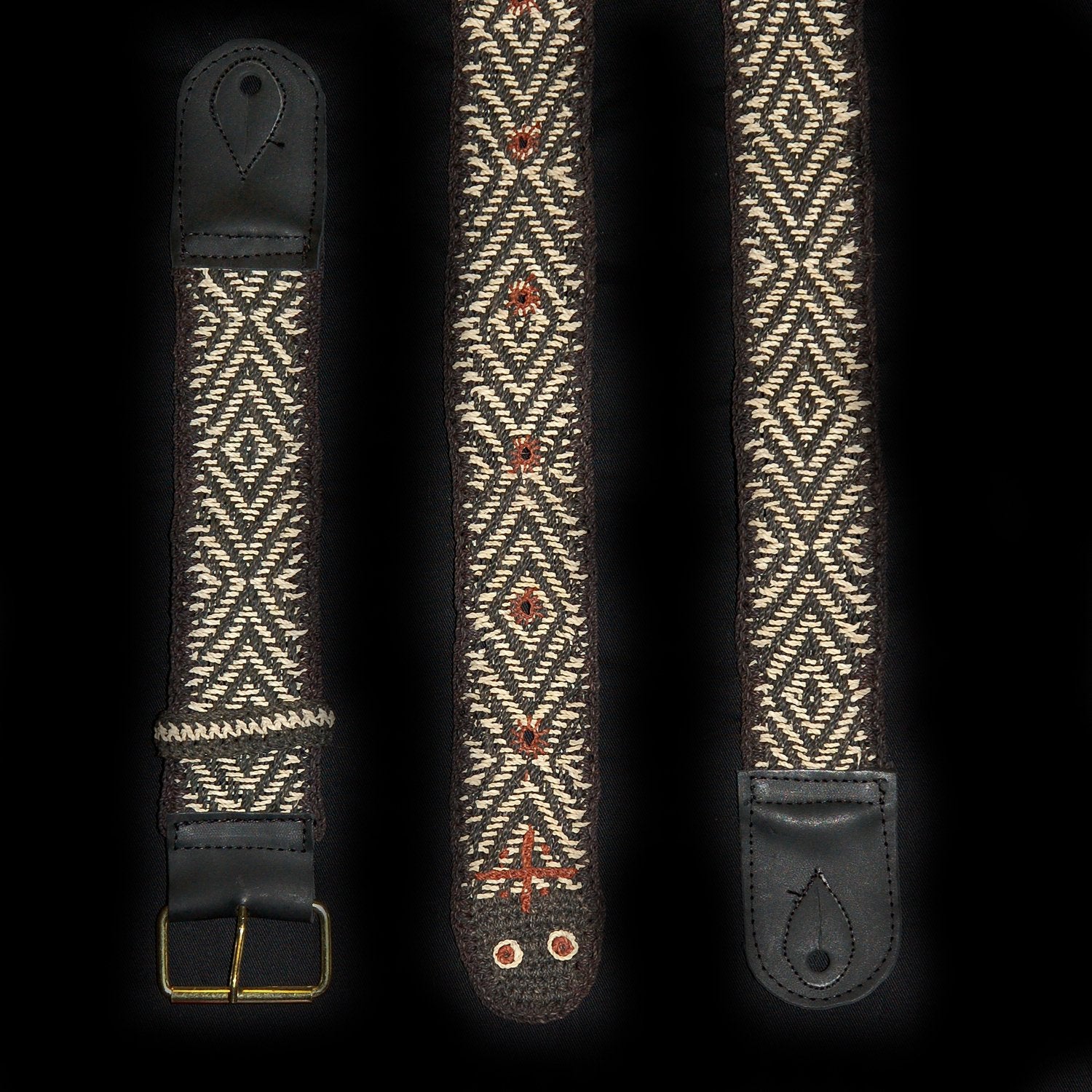
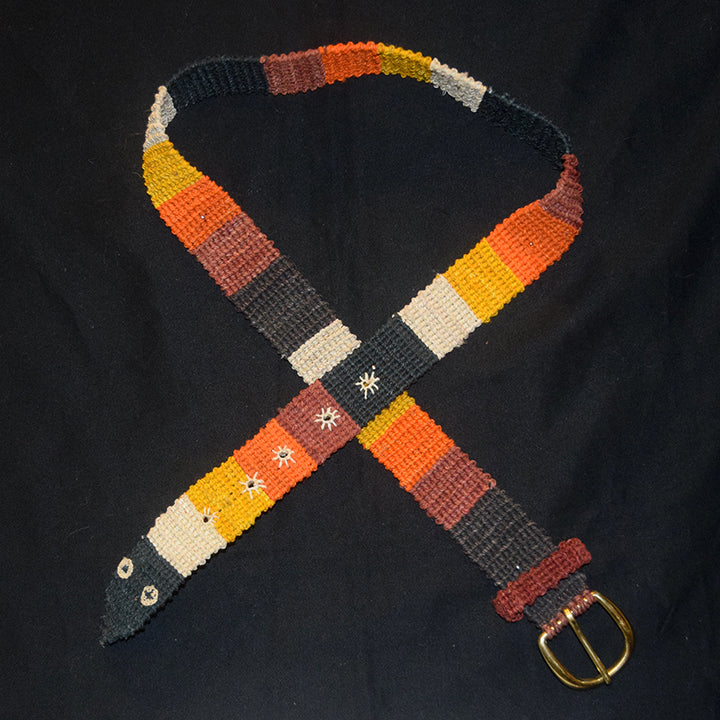
The Green Drake Gallery and Arts Center on 101 West Main St. in Millheim, PA offers select models of the Amazon guitar strap to visitors taking in its fine art, concerts and classes. These straps were made by Bora native artisans from the village of Brillo Nuevo in the Ampiyacu River region of the northern Peruvian Amazon. See photos of current models of Amazon Guitar Straps available through CACE.


The Quest for Rosewood and new Aromatic Oils

Bagging canela moena leaves.  Photo by C. Plowden/CACE
Distilling rosewood leaves with firewood. Photo by C. Plowden/CACE Bora man separating rosewood oil at Brillo Nuevo. Photo by C. Plowden/CACE In the summer of 2012 CACE expanded its quest for fragrant essential oils from copal resin to rosewood and other aromatic species. Amazon rosewood was a famous source of high-quality oil (and wood), but relentless exploitation almost wiped it out. Rather than cutting and distilling the whole trunk, we removed up to 5 kgs. of leaves and small branches from several trees around Brillo Nuevo and steamed them in our copper still to measure the yield of its essential oil. These efforts are part of a collaboration with the group Camino Verde that is distilling leaves from other rosewood relatives from its reforestation plots in southern Peru. We are happy our fragrance company partner thought our first rosewood oil sample had a nice aroma. Since this batch came from one lone tree brought to the area over fifty years ago, we have partnered with Camino Verde to establish rosewood trees at Brillo Nuevo to provide a sustainable supply of leaves for a larger venture (see Rosewood Reforestation story above). In the meantime, we hope to learn more about rosewood oil disillation and marketing with a few farmers from the town of Tamshiyacu who have good experience with this species. See related stories: The Legacy of a Rosewood Tree, Steaming Leaves and Heated Emotions, A Dying Copal Tree and Rosewood Seedlings at Jenaro Herrera, and Visions of Rosewood Oil and Ayahuasca.


Dragon's Blood Project with Camino Verde

Don Ignacio cleaning sangre de grado tree. Photo by C. Plowden/CACE Dragon's blood dripping from tree. Photo by C. Plowden/CACE
Robin van Loon distilling camphor moena leaves.  Photo by C. Plowden/CACE Robin van Loon and Camino Verde assistants tearing up camphor moena leaves for distillation.  Photo by C. Plowden/CACE

Thanks to a grant from the Marjorie Grant Whiting Center, CACE and Camino Verde, a conservation NGO based in the Department (state) of Madre de Dios, are collaborating on several projects to develop value-added non-timber forest products in both the northern and southern parts of the Peruvian Amazon. The director of Camino Verde, Robin van Loon, is providing his experience with reforestation and Camino Verde resources to plant rosewood trees with CACE at the Bora native village of Brillo Nuevo. In March, CACE Director Campbell Plowden joined van Loon to consult with shaman Don Ignacio Duri about the medicinal resin called Dragon's Blood ("sangre de grado" in Spanish) at his home in the town of Infierno and then helped van Loon design an experiment to measure the sustainable harvest of this liquid from his Dragon's Blood trees at Camino Verde's field station at Baltimori. They then harvested leaves from a rosewood tree relative called "camphor moena" and ground them up for a small trial distillation in the field station kitchen. See more info and photos.


Amazon Connections Newsletter - Summer 2010

             Download the original PDF version
Amazon Connections Issue 3 cover

See updated versions with extra photos on the new Center for Amazon Community Ecology Blog

- New markets, opportunities for copal and crafts (updated version): Natalya Stanko and Campbell Plowden present highlights of the Center's research on copal resin and making a fragrant essential oil, developing innovative handicrafts with Bora natives and exploring connections with Maijuna communities in Peru, and Plowden's return visit to Ka'apor and Tembé Indian villages ten years after working with them in Brazil. See updated version with extra photos on the CACE Blog.
- Artisan Spotlight (updated version): Meet two of the Center's artisan partners - Monica Chichico from the Bora native community of Brillo Nuevo and Romelia Huanaquiri from the Huacamayo Handicraft Committee in Chino.
- Connections Profile (updated version): Dr. Dennis del Castillo - from son of slash and burn farmer to top investigator with the Institute for Investigation of the Peruvian Amazon (IIAP). He know seeks solutions to conserve the Amazon's threatened biodiversity and support its rural people
- Gilmore: Connecting plants and people (updated version): Ethnobotanist Michael Gilmore discusses the challenges being faced by the Maijuna native people in Peru and some things he has learned working with them for eleven years
- Amazon Field Volunteer in Action (updated version): Natalya Stanko spent six weeks in Peru with the Center and interviewed many of its artisan partners. She wrote about her experiences in many formats and wrote most of the articles for this issue of Amazon Connections. Read her fully illustrated version of "What makes a journalist?" and her recent story Amazon Trip in Greeniaks.com.
See previous issues of Amazon Connections or subscribe to the newsletter

Volunteers making a difference

PSMA group

Students from Penn State University are helping the Center with their skills and time with photography, video, graphic design, marketing, writing and research. See Profiles of Current and Past Interns and Key Volunteers

.
Subscribe to the newsletter
Donate to the Center

Donate to the Center

CACE on Facebook
We have two pages on Facebook to share extra stories and photos. Please "Like" our CACE non-profit organization page or join our CACE group page to share your thoughts about our work and events in the Amazon.
CACE Field Sites in Peru

View in larger map 
Reports from the Field
Angel and beetle Angel Raygada, field manager for the copal project in Peru, reports on the study and encounters with rain, wildlife, and assorted bugs. See Angel in the Amazon (English) or Angel en el Amazonas (Spanish).
Campbell and monkey Campbell Plowden, Center President, presents reflections on Amazon travel, people, critters and jungle lore in Campbell's Amazon Journal. Check out Campbell's other updates on Facebook.
Natalya Stanko Natalya Stanko, shares experiences and lessons about her six weeks in Peru as an Amazon Field Volunteer writer with the Center in her essay What makes a journalist and 37 more stories in Natalya's Amazon Log.
Videos about Copal Project and Amazon Handicrafts

Learn more about the copal project in the videos:Amazon Ecology (Part 1): Use and insect ecology of copal resin in the Peruvian Amazon and Amazon Ecology (Part 2): Sustainable harvest and marketing of copal resin in the Peruvian Amazon.Plowden and Bora leader with alembiqueronsapa bees at resin

Our newest video Artisans of the Ampiyacutells the story in intimate images and music of the native artisans that CACE works with in the Ampiyacu River basin of the Peruvian Amazon to develop and market innovative handicrafts. Please share the video link with others.

Peruvian Amazon Handicrafts: People, Plants and Community Support features craft makers from two of the Center's partner communities: the town of Jenaro Herrera on the Ucayali River and the Bora native community of Brillo Nuevo in the Ampiyacu River region. It shows ways that people use diverse plants to make their handicrafts and how the Center is supporting local schools by returning part of the proceeds of these crafts sold in the U.S. The piece was shot and produced by cinemaphotographer Greg Harriott when he was an Amazon Field Volunteer with the Center in 2008. Also see Greg's Introduction to Jenaro Herrera and Handicrafts of the Peruvian Amazon by video intern Matt Hunter.

Dora with achiote podsSchool supply donation in Jenaro Herrera
CACE seminar on the web
Campbell Plowden with Bora woodsman from Brillo Nuevo
CACE founder Campbell Plowden gave a talk titled "Blending science, traditional knowledge, and creative design" sponsored by the Interinstitutional Consortium for Indigenous Knowledge at Penn State's Paterno Library on Feb. 23. Watch and listen to Dr. Plowden's seminar and audience questions recorded by University Libraries.

Also see the CACE cover story of the summer 2011 ICIK E-News for an article by Plowden with the same title.